









Image default
Food

German Cuisine: A Culinary Journey Between Tradition and Modernity

Introduction

German cuisine, rich and diverse, reflects the culture and traditions of its varied regions. It stands out for its hearty dishes, its charcuterie, its unique breads, and its renowned beers. Through this article, we will explore the history, iconic dishes, culinary techniques, and the cultural importance of German gastronomy.

History and Evolution

Origins

German cuisine traces its roots to the culinary traditions of the Germanic tribes and the Romans. Dishes were mainly composed of meat, root vegetables, and cereals, reflecting the resources available in the region.

Medieval Influence

In the Middle Ages, German cuisine evolved with the introduction of exotic spices such as pepper and cinnamon, brought by the Crusades and trade. Monasteries played a crucial role in the development of cuisine, notably through the production of beer and bread.

Modern Era

In the 17th and 18th centuries, French cuisine significantly influenced high German cuisine. Dishes became more refined and presentation gained importance. Cooking techniques and recipes diversified.

Contemporary Era

Today, German cuisine integrates international influences while preserving its traditions. Modern chefs reinterpret classics using innovative techniques and high-quality local ingredients.

Iconic Dishes

Appetizers and Starters

Pretzel

The pretzel, a symbol of German cuisine, is a salted bread in the shape of a knot, often eaten with mustard or butter. Originating from Bavaria, it has become an essential snack throughout Germany.

Sauerkraut

Fermented cabbage, or sauerkraut, is a traditional dish served as an accompaniment to meats and sausages. Rich in probiotics, it is not only delicious but also beneficial for health.

Main Courses

Bratwurst

Bratwurst is a grilled pork or veal sausage, often served in a bun with mustard. It is particularly popular at festivals and Christmas markets.

Schnitzel

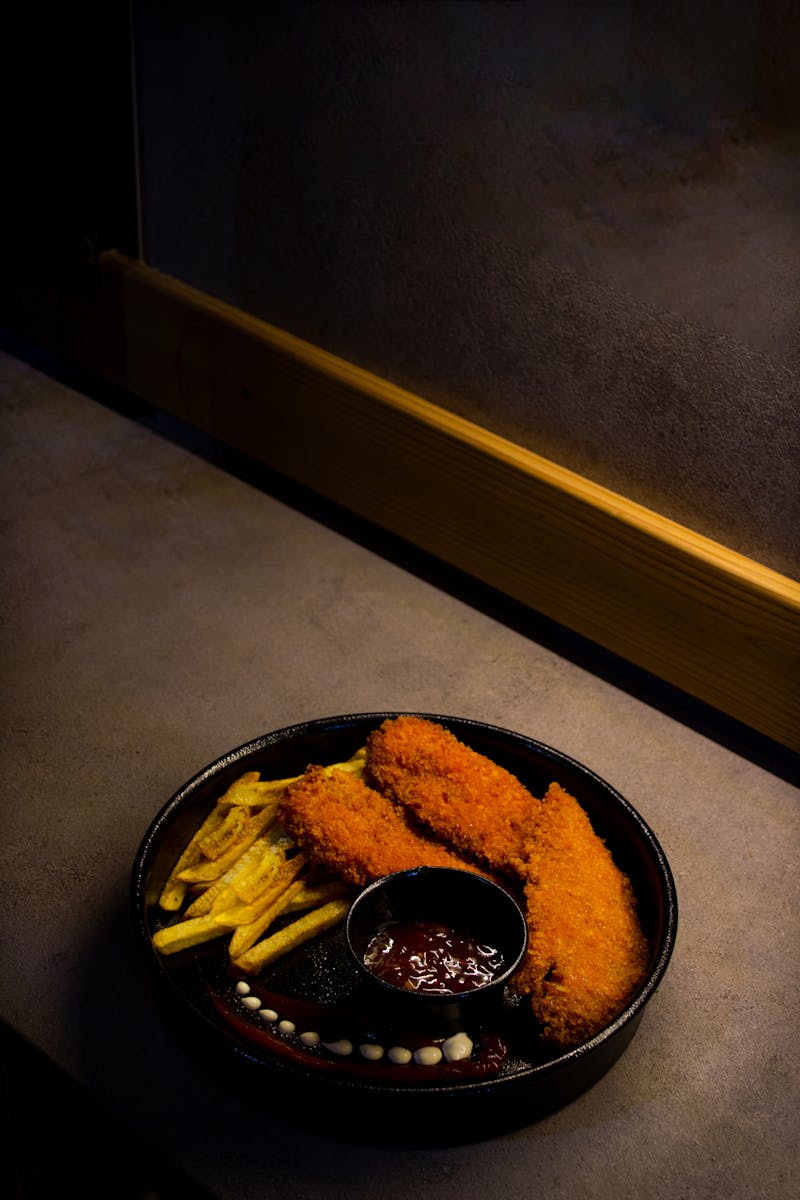
Schnitzel is a breaded and fried cutlet of meat (usually veal or pork). Originating from Austria, this dish has become a classic of German cuisine, often accompanied by potatoes and lemon.

Side Dishes

Spätzle

Spätzle are homemade fresh pasta, often served with melted cheese or as an accompaniment to sauced dishes. They are particularly popular in southern Germany.

Kartoffelsalat

Potato salad, or kartoffelsalat, is a typical side dish, often prepared with boiled potatoes, onions, vinegar, and oil. There are many regional variations.

Desserts

Schwarzwälder Kirschtorte

Black Forest cake is a chocolate sponge cake with cherries, whipped cream, and kirsch (cherry brandy). This iconic dessert originates from the Black Forest region.

Apfelstrudel

Apple strudel is a dessert made of thin layers of dough surrounding a filling of apples, raisins, cinnamon, and sugar. This Viennese dessert is also very popular in Germany.

Culinary Techniques

Fermentation

Fermentation is an ancient technique used to preserve food and develop complex flavors. Sauerkraut and sourdough bread are typical examples of this method.

Baking

Baking is essential in German cuisine, particularly for preparing breads, cakes, and dishes like schweinebraten (roast pork).

Frying

Frying is a technique commonly used to prepare dishes such as schnitzels and pan-fried potatoes. It produces a crispy and flavorful texture.

Cultural Importance

Festivals

Festivals play a central role in German food culture. Oktoberfest in Munich is the most famous, celebrating beer and Bavarian cuisine with millions of visitors each year.

Togetherness

Family and friend meals are cherished moments for Germans. Sundays are often reserved for hearty meals and homemade desserts.

Respect for the Seasons

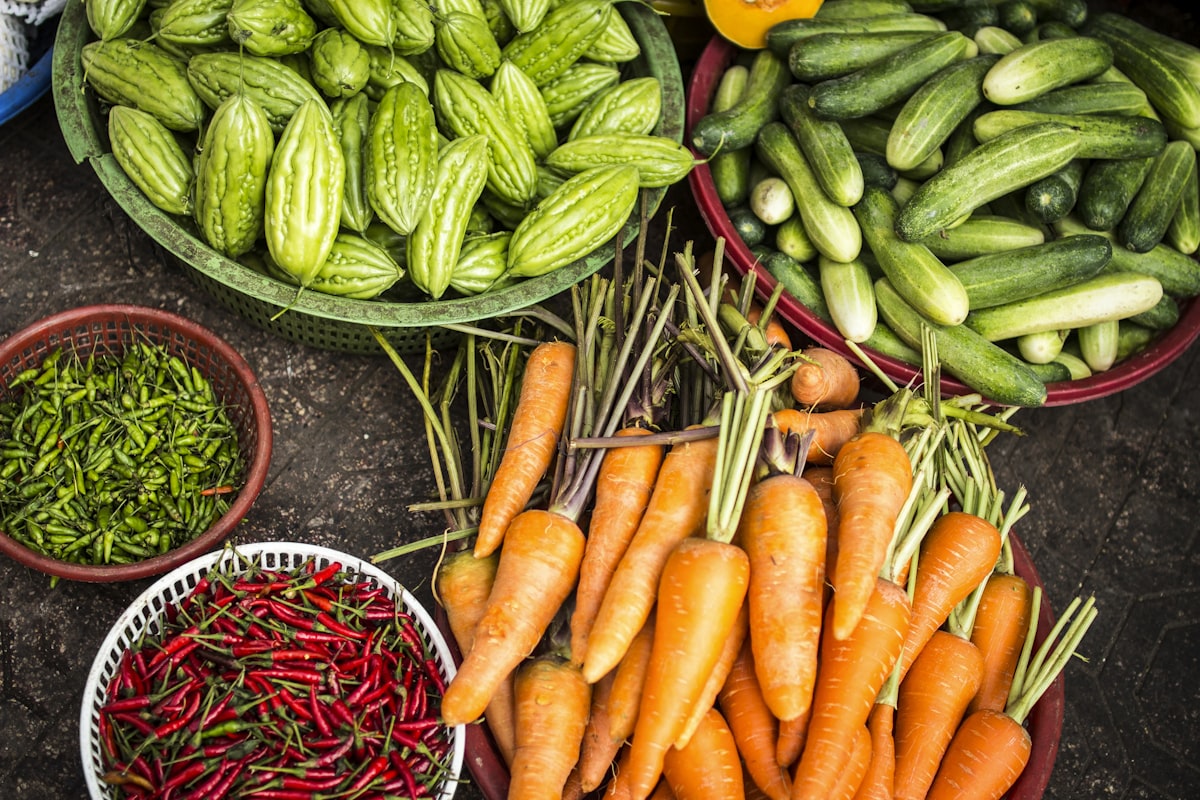
German cuisine values seasonal and local products. Farmers’ markets and harvest festivals, like Erntedankfest, celebrate freshly harvested fruits and vegetables.

Conclusion

German cuisine, rich in traditions and flavors, offers impressive culinary diversity. From hearty and comforting dishes to delicate desserts, it reflects the history, culture, and creativity of German regions. Whether through its cooking techniques or its cultural importance, German gastronomy continues to captivate gourmets around the world. Exploring this cuisine means diving into a taste journey between tradition and modernity.

Related posts

The Best Restaurants to Visit in Paris

Travelstylehub

The Best Diners in New Jersey

Travelstylehub

The Best Cooking Classes for Travelers

Leave a Comment