
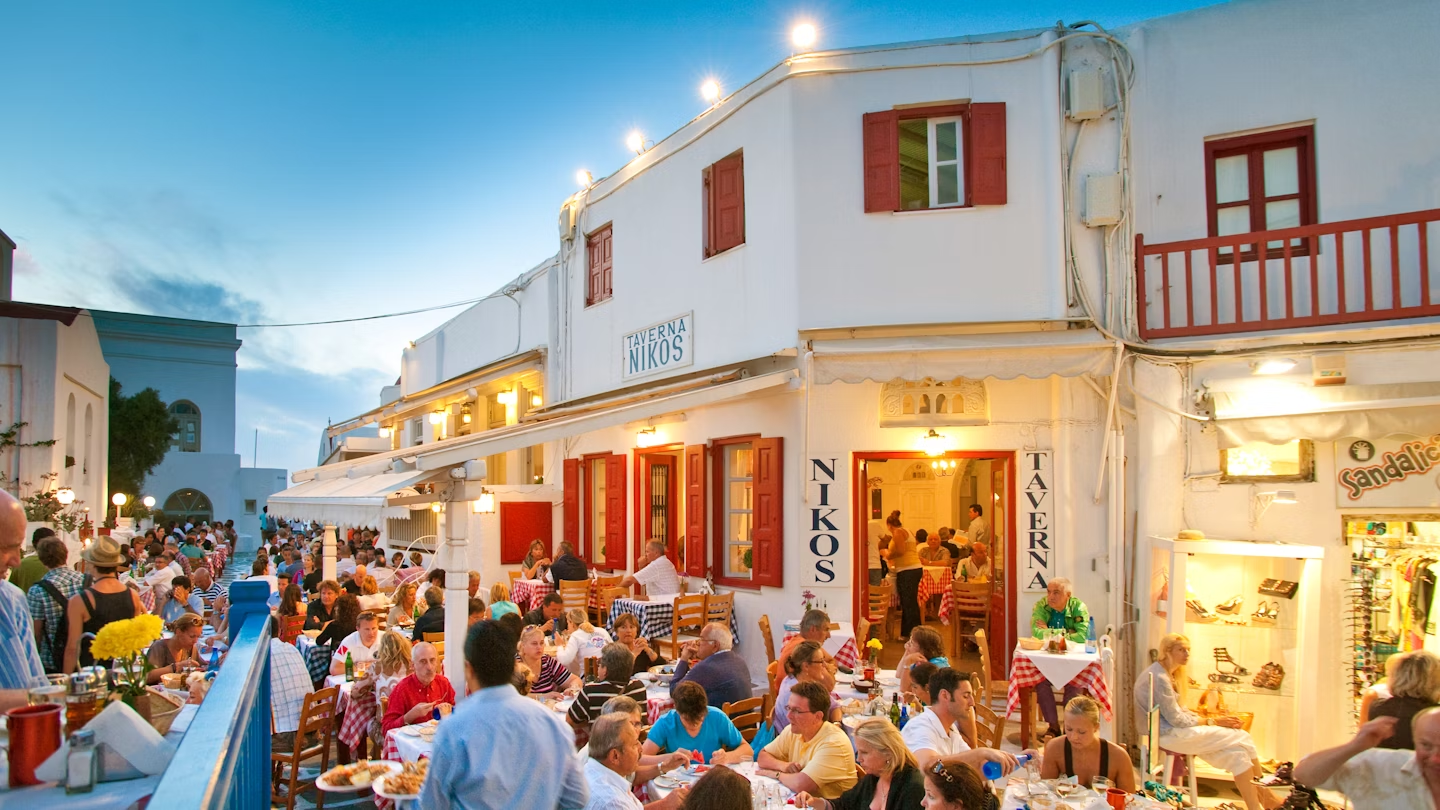
Mykonos is known as a party island, but it has much more to offer than sparkling beaches and insatiable partygoers. Discover the quiet charm of Hora’s Cycladic labyrinth, the pleasure of traveling on country roads, and a food scene rivaling other Greek islands.
When to visit Mykonos? The high tourist season in Mykonos runs from June to September, during which hotel prices are at their highest and beaches, restaurants, and nightclubs are crowded. Summer is party season, with free concerts and events organized as part of the summer-long Cultural Festival, not to mention Xlsior in August, a five-day clubbing festival attracting some 30,000 partygoers. The shoulder season (April to early June, late September and October) is arguably a more pleasant time to visit. You will enjoy the beaches without the crowds and accommodation prices are lower.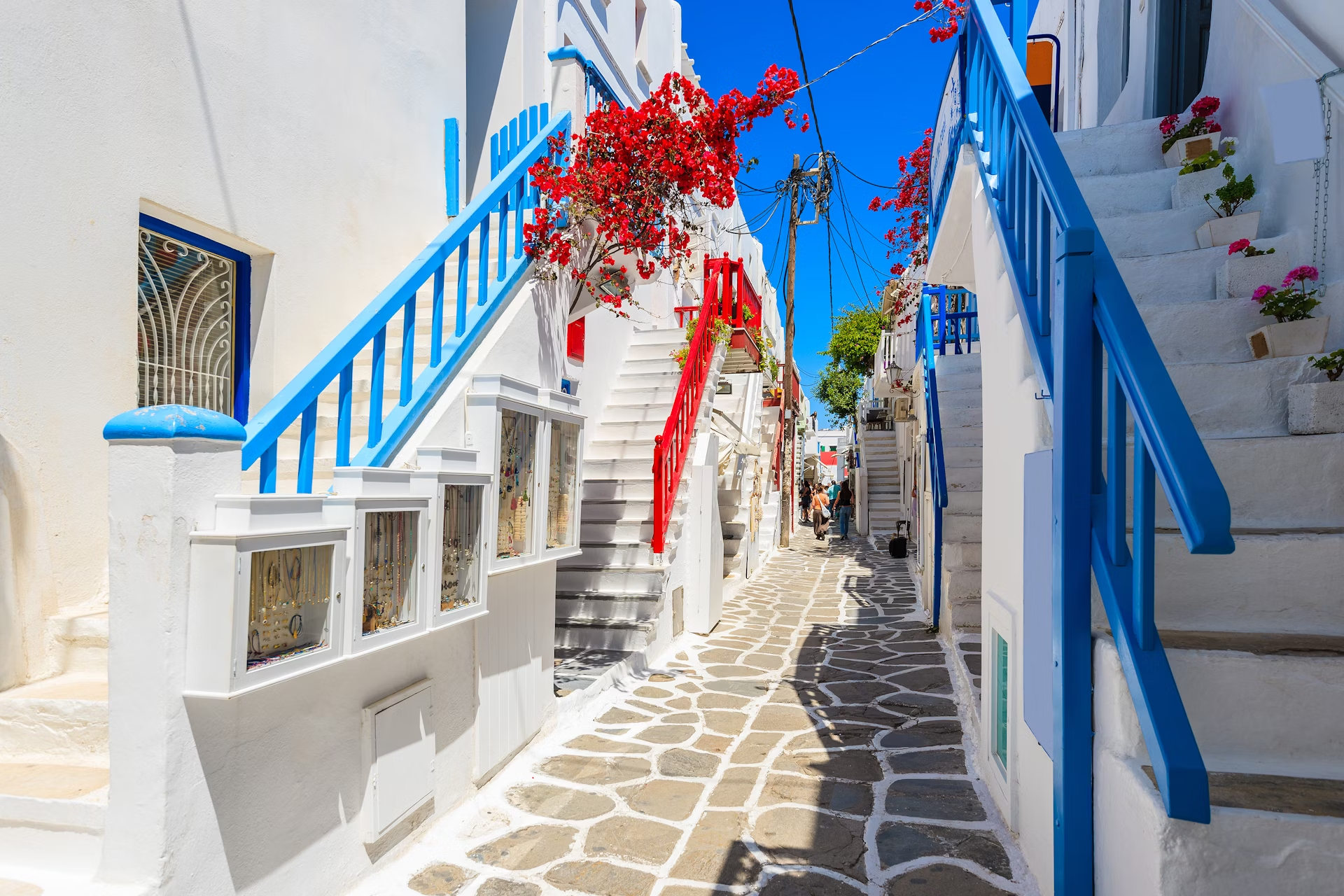
In winter, it can be too cold for sunbathing and swimming, but the advantages include deserted beaches and plenty of low-cost accommodation. Many Mykonos residents rent out their homes in summer and return during the off-season, so many restaurants stay open year-round. However, winter can bring violent storms and ferries to the other Greek islands are limited.
How long to stay in Mykonos? Ideally, you would need about four days, but you could enjoy it in two. Spend the first day on a beach, explore the shops, restaurants, and bars of Little Venice in the late afternoon, and on the second day, take a boat to the sacred island of Delos. With a few extra days, you can seek out some of Mykonos’ more remote and less crowded beaches like Agios Sostis.
How to get to Mykonos? Year-round, frequent ferries connect Mykonos to the ports of Athens, Rafina, and Piraeus, as well as the neighboring islands of Tinos, Serifos, and Andros. In high season, fast catamarans connect Mykonos to many other Cycladic islands, including Santorini and Paros. Check OpenSeas for schedules. Mykonos Airport offers year-round flights to Athens and Thessaloniki, as well as to European destinations during the high and shoulder seasons. It is easy to rent a car, moped, or ATV from one of the many rental agencies in Mykonos, and bus services around the island are reasonably frequent.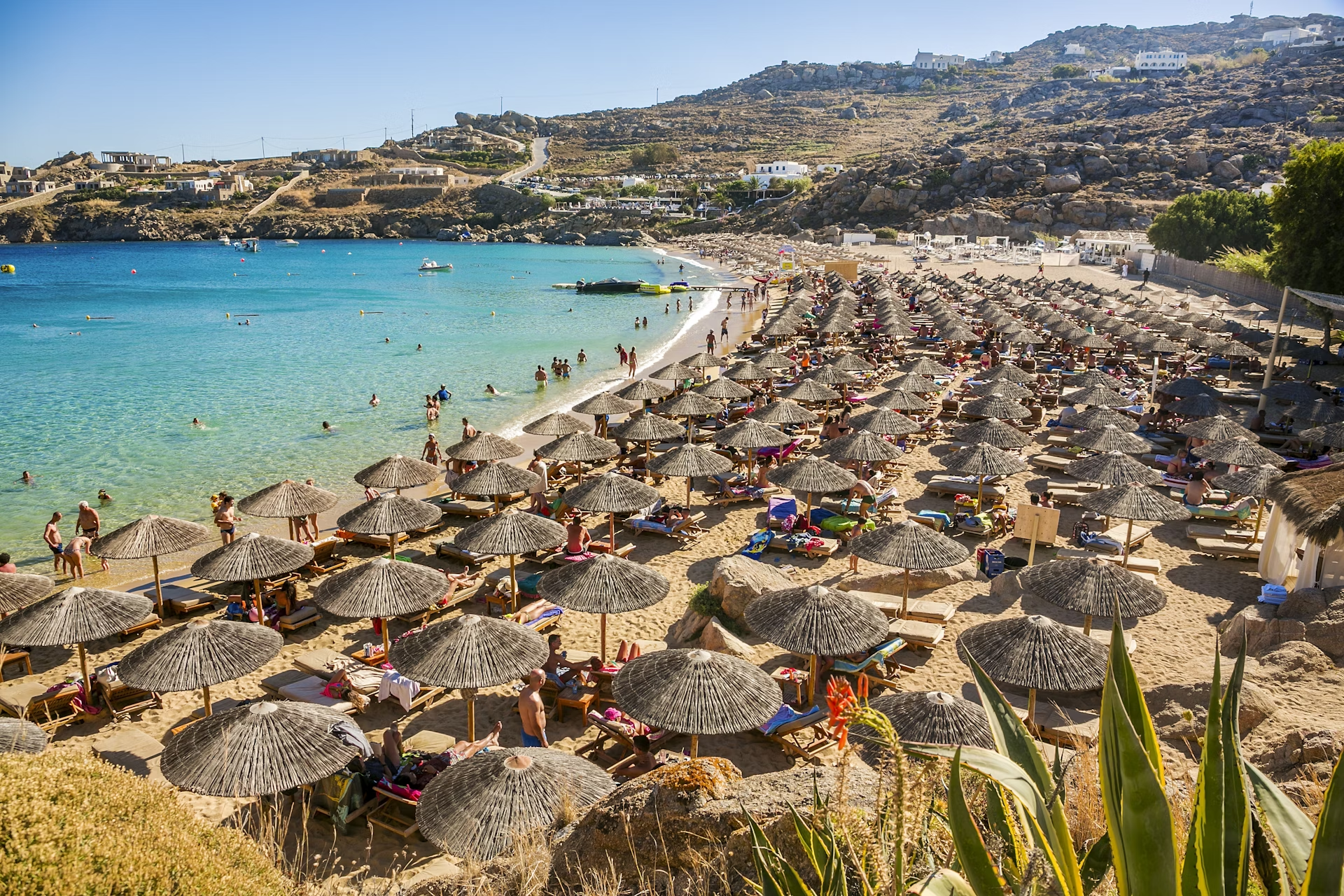
Is it easy to get around Mykonos? Public buses between Hora, the new port (2 km north of Hora, where ferries dock), the airport, and the south coast beaches run regularly all summer. They are the best way to get around the island. They serve almost all beaches and one-way fares range from 1.40 euros to 2.30 euros. Beaches are also accessible with a 2WD rental car. Except for the main road along the spine of the island, access roads to the beaches – even the most famous ones – can be extremely narrow. You will not find Uber here, but taxis are plentiful. The best way to get around is by boat, and reasonably priced water taxis run between the new and old ports as well as the main southern beaches. You can get a full-day pass for 20 euros.
The best beaches in Mykonos Whether you are looking for a small isolated cove bathed in azure waters or a vast stretch of white sand covered with bathers, Mykonos has a beach to meet your needs. The island has 25 beaches, and they are rightfully Mykonos’ greatest natural attraction. Partygoers should head to Paradise or Super Paradise, dominated by the eponymous beach clubs. Paraga and Psarou are other favorites for beach parties. Popular with families, Elia is Mykonos’ longest stretch of white sand, while Platys Gialos and Kalafatis are particularly suitable for water sports.
On the north coast, Panormos and Agios Sostis receive a fraction of the visitors of the southern beaches and have naturist sections. The pebble coves of Myrsine and Fokos, accessible via bumpy tracks off the northeast coast, offer solitude and refuge away from the crowds. In the southwest, Ornos is lively with dozens of waterfront restaurants, while Agios Ioannis is a good spot for windsurfing.
The best things to do in Mykonos
- Scuba diving: Mykonos has many walls, caves, and wrecks to entice beginner and advanced divers. Dive operators are based on Paradise, Lia, and Kalafatis beaches.
- Historical sites: Mykonos is the gateway to the sacred island of Delos, the mythical birthplace of Apollo and Aphrodite, a UNESCO World Heritage site and one of the most important and best-preserved archaeological sites in Greece. Daily boat excursions depart from the Hora quay.
- Mountain biking: The island of Mykonos has a hilly interior, quiet country roads, peaceful villages, and several virtually deserted beaches along the north coast. Yummy Pedals organizes guided mountain bike tours of the island tailored to your skill level.
- Watching the sunset: The best spots to admire the greatest free show on earth include the bars of Little Venice in Hora, Kato Mili (a classic quartet of windmills on a hill overlooking Little Venice), and Agios Ioannis beach.
- Swimming: Mykonos does not lack places to bathe, from the infinity pools of luxury hotels to private pools to the 25 magnificent sandy beaches that line the island.
- Water sports: Head to the Mykonos Windsurf Centre on Kalafatis beach for lessons, or try adrenaline-filled activities like flyboarding, wakeboarding, and wakeskating with Elia Watersports on the eponymous beach.
My favorite activity in Mykonos Explore the small capital, Hora (also known as Mykonos Town). It is Mykonos’ second biggest attraction after the beaches. You can lose yourself for hours in the enchanting maze of narrow pedestrian streets adorned with bougainvillea and lined with small churches, restaurants, and perfectly photogenic shops. The Mykonos Archaeological Museum is worth a visit, as is the Aegean Maritime Museum.
Shopping in Mykonos is excellent. For art, head to Mavrogenous Street. Greek designers line Matogliani, while Little Venice is ideal for casual fashion, jewelry, and souvenirs. Other pleasures of Hora include a charming open-air cinema, Cine Manto, and a handful of original art galleries, like Rarity Gallery and Art and Soul. The island’s hilly interior is dotted with small traditional villages, a striking contrast to the joyful bustle of the coast. Stop by Mykonos’ only other settlement of significant size, Ano Mera, and take a look at its pretty whitewashed Tourliani monastery, just off the main square lined with tavernas.
Money-saving tips Mykonos is one of the most expensive Greek islands, particularly when it comes to food, alcohol, and accommodation. You can reduce costs by avoiding beach clubs and dining at local markets. Look for early afternoon lunch deals at low-key traditional tavernas. Stock up on fresh local produce like tomatoes, feta cheese, eggplants, zucchini, watermelons, peaches, nectarines, and cherries at mini-markets and cook at home. If you travel off-season, you will find a significant drop in accommodation costs.
