
Wine Tourism: Discovering the World’s Most Beautiful Vineyards
Travel and wine have a relationship as old as humanity itself. Ever since the Greeks and Romans spread the vine around the Mediterranean basin, travelers have never ceased to roam the world in search of the best crus, the most breathtaking vineyard landscapes and the most fascinating cellars. Today, this quest has a name: wine tourism. Much more than a simple tasting, wine tourism is a total immersion in the world of wine: meeting passionate winemakers, discovering terroirs, understanding grape varieties and winemaking methods, and of course, the art of food and wine pairing.
In this article, we take you on a discovery of the world’s most beautiful vineyards, from Bordeaux to Mendoza via Tuscany and Napa Valley. Get ready for an unforgettable wine journey across five continents.
Bordeaux: French Excellence
It is hard to talk about wine tourism without mentioning Bordeaux, the world capital of wine. With more than 120,000 hectares of vines, 57 controlled appellations of origin and some 7,000 producer châteaux, the Bordeaux vineyard is one of the largest and most prestigious on the planet. The region produces about 700 million bottles per year, a large part of which is exported to all four corners of the globe.
Wine tourism in Bordeaux has undergone a true revolution in recent years, with the opening of the Cité du Vin in 2016. This interactive museum, housed in a building as architecturally bold as a vine shoot twisted by the wind, offers a sensory journey through the world’s vineyards. You discover the history, geography and culture of wine, participate in tasting workshops, and enjoy a glass on the seventh floor with a panoramic view over the Garonne and the city.
But the true heart of Bordeaux wine tourism is the châteaux. Many estates open their doors to visitors for guided tours, tastings and even stays. Among the most prestigious, Château Margaux, Château Latour and Château Haut-Brion offer visits by appointment. For a more accessible experience, Château Pape Clément or Château Lynch-Bages offer a warm welcome and a range of activities from cellar visits to commented tastings.
The Route des Châteaux du Médoc is undoubtedly the most famous in Bordeaux. On the D2, which links Bordeaux to Soulac-sur-Mer, you travel through the legendary appellations: Margaux, Saint-Julien, Pauillac, Saint-Estèphe. Each château has its history, its architecture and, of course, its wines. Bordeaux wines fall into six major families: Left Bank reds (Cabernet Sauvignon dominant), Right Bank reds (Merlot dominant), dry whites of Pessac-Léognan, sweet whites of Sauternes and Barsac, Bordeaux and Bordeaux Supérieur, and Crémants de Bordeaux.
Essential wine tourism experiences in Bordeaux
- La Cité du Vin: An interactive and sensory journey through the world of wine.
- Château visits: Many estates offer guided tours followed by tastings. Book in advance for the most prestigious ones.
- Blending workshops: In several châteaux, you can create your own wine by blending different grape varieties.
- Bike rides through the vineyard: The region is crisscrossed with cycle paths that pass through the most beautiful wine landscapes.
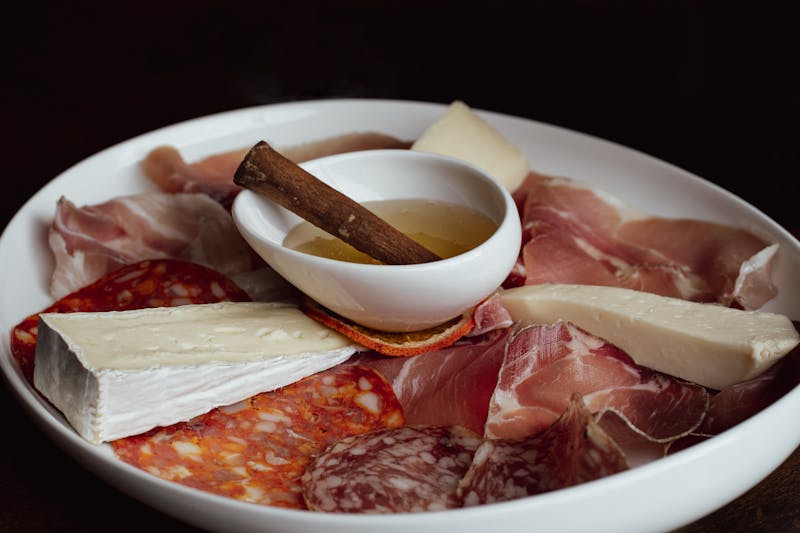
- The producers’ market: Local markets offer regional products that pair perfectly with Bordeaux wines (duck, foie gras, cheeses, oysters from the Arcachon basin).
Tuscany: Italian Wine, between Art and Landscapes
Tuscany is one of the most emblematic wine regions of Italy and the world. Its rolling hills, dotted with cypress trees and medieval villages, offer a postcard setting that has inspired generations of painters and travelers. But Tuscany is also a land of great wines, where winemaking tradition dates back to Etruscan times.
Chianti Classico is the most famous Tuscan wine, recognizable by its gallo nero (black rooster) on the label. Produced mainly from the Sangiovese grape, Chianti Classico is a structured red wine, with aromas of cherry, violet and spices, which pairs perfectly with Tuscan cuisine. The Chianti region, between Florence and Siena, is traversed by the Chianti Road (SR 222), which passes through picturesque villages like Greve in Chianti, Radda in Chianti and Castellina in Chianti.
Brunello di Montalcino is one of the most prestigious wines of Italy, produced exclusively from the Sangiovese Grosso grape in the Montalcino area. It is a powerful, complex and long-aging wine, requiring a minimum of five years of aging before commercialization. The town of Montalcino, perched on a hill, is the ideal starting point for exploring the estates of the appellation.
Vino Nobile di Montepulciano is another great Tuscan wine, produced in the Montepulciano area. Aged for at least two years in oak barrels, it is an elegant and balanced wine, with aromas of red fruits and sweet spices. The town of Montepulciano, with its Renaissance palaces and historic cellars dug into the tuff, is one of the most beautiful in Tuscany.
For a complete wine tourism experience in Tuscany, you must combine estate visits, tastings and gastronomic discoveries. The agriturismi (farm-inns) often offer wine tastings accompanied by local products (olive oil, cheeses, charcuterie, truffles). Don’t miss tasting ribollita, pappardelle al cinghiale and bistecca alla fiorentina, accompanied by a glass of Chianti Classico or Brunello.
The best times to visit Tuscany
Spring (April-June) and autumn (September-October) are the ideal seasons. Temperatures are mild, landscapes are magnificent, and the harvest (September-October) is a particularly lively period. Summer can be very hot and touristy, while winter is calmer but some estates close their doors.
Napa Valley: The Mecca of American Wine
About an hour’s drive from San Francisco, Napa Valley is the most famous vineyard in the United States and one of the most prestigious in the New World. With its Mediterranean climate, varied soils and know-how inherited from generations of winemakers, Napa produces world-class wines that rival the greatest European crus.
Napa Valley counts more than 400 wineries, ranging from small family operations to large Californian châteaux. The most cultivated grape varieties are Cabernet Sauvignon (the king grape of Napa), Chardonnay, Merlot, Pinot Noir and Sauvignon Blanc. Napa wines are renowned for their concentration, generous fruitiness and elegance.
Among the essential estates, Robert Mondavi Winery is a true institution. Founded in 1966, it played a key role in the international recognition of Californian wines. Opus One, the fruit of a collaboration between Robert Mondavi and Baron Philippe de Rothschild (Château Mouton Rothschild), produces one of the most famous wines in California. Castello di Amorosa, a Tuscan medieval castle rebuilt stone by stone in California, is a major tourist attraction that offers guided tours and tastings.
The Napa Valley Wine Train is a unique wine tourism experience: a vintage restaurant train that travels through the valley across the vineyards, with a gourmet meal and wine tastings on board. An elegant and romantic way to discover the region.
Rioja: The Soul of Spanish Wine
Rioja is the most famous wine region in Spain, located in the north of the country, along the Ebro River. With its landscapes of vines stretching as far as the eye can see, its picturesque villages and its centuries-old cellars, Rioja is a top destination for wine lovers. Rioja wines are produced mainly from the Tempranillo grape, often blended with Garnacha, Graciano and Mazuelo.
Rioja wines are classified according to their aging: Joven (young, without aging), Crianza (minimum two years of aging, including one year in barrel), Reserva (minimum three years, including one year in barrel) and Gran Reserva (minimum five years, including two years in barrel). This classification guarantees increasing quality and complexity.
Rioja is divided into three sub-regions: Rioja Alta (elegant and balanced wines), Rioja Alavesa (fruity and structured wines) and Rioja Oriental (more powerful and alcoholic wines). The villages of Haro, Laguardia and Elciego are home to some of the most prestigious wineries in the region, such as Cune (CVNE), Bodegas Marqués de Riscal (with its spectacular hotel designed by Frank Gehry) and Bodegas Ysios (with its striking contemporary architecture).
Douro Valley: Port Wine and Listed Landscapes
The Douro Valley in Portugal is one of the oldest demarcated wine regions in the world (1756). Listed as a UNESCO World Heritage site, it offers breathtaking landscapes: terraced vineyards on the steep hillsides, overlooking the Douro River that lazily winds its way towards the Atlantic Ocean. This is where the famous Port wines are produced, but also table wines (Douro DOC) of great quality.
Port wine is a fortified wine (grape spirit is added to stop fermentation) that exists in several styles: Ruby (fruity and young), Tawny (barrel-aged, with aromas of nuts and caramel), Vintage (great year, long aging), and LBV (Late Bottled Vintage). Port tastings are essential in the cellars of Vila Nova de Gaia, opposite Porto, but also in the quintas (estates) of the Douro Valley.
Quinta do Noval, Quinta do Crasto, Symington Family Estates and Taylor’s are among the most renowned estates for welcoming visitors. The region also offers wine cruises on the Douro, panoramic train rides (the Comboio Histórico do Douro) and hikes through the vineyard terraces.
Mendoza: Argentina and the King Malbec
At the foot of the Andes mountain range, the Mendoza region is the wine heart of Argentina and one of the most dynamic wine tourism destinations in South America. With its spectacular landscapes, dry and sunny climate, and sandy soils, Mendoza is the paradise of Malbec, the emblematic Argentine grape variety.
Mendoza wines are renowned for their intensity, generous fruitiness and tannic structure. Malbec here produces velvety wines, with aromas of blackberry, plum and violet, with notes of chocolate and spices. Other cultivated grape varieties include Cabernet Sauvignon, Bonarda, Syrah and Torrontés (an aromatic white grape variety typical of Argentina).
Mendoza is divided into several sub-regions: Luján de Cuyo (first Argentine appellation of origin), Maipú (the oldest wine-growing area), the Uco Valley (the most promising region, with high-altitude wines of great finesse) and San Rafael (further south). The Ruta del Vino (Wine Route) of Mendoza is well organized, with signposts, cellars open to visitors, gourmet restaurants and charming accommodations.
Among the must-visit estates, Bodega Catena Zapata is a reference for high-altitude Malbec. Bodega Norton, founded by an Englishman in 1895, offers complete tours and an excellent tasting. Bodega Zuccardi, with its modern concrete architecture, is a temple to Malbec. For a unique experience, some estates offer horseback tastings or hikes through the vineyards.
Champagne: French Effervescence
The Champagne region, located about an hour and a half from Paris by train, is one of the most prestigious wine tourism destinations in the world. This is where the most famous sparkling wine on the planet is born, a symbol of celebration, luxury and refinement. The vineyard landscapes of Champagne, listed as a UNESCO World Heritage site, offer a magnificent setting of rolling hills planted with vines, dotted with picturesque villages and prestigious champagne houses.
The three main grape varieties of champagne are Pinot Noir, Pinot Meunier (black) and Chardonnay (white). The Champagne method, which involves a second fermentation in the bottle, is a complex and meticulous know-how that gives champagne its fine bubbles and aromatic complexity. The different categories of champagne include Brut (dry), Demi-Sec (sweet), Blanc de Blancs (100% Chardonnay), Blanc de Noirs (100% Pinots) and Rosé.
Reims and Épernay are the two main cities of the Champagne region. In Reims, the great champagne houses (Taittinger, Veuve Clicquot, Ruinart, Pommery) offer guided tours of their crayères (chalk cellars), followed by tastings. In Épernay, the Avenue de Champagne houses the headquarters of the largest houses (Moët & Chandon, Mercier, Perrier-Jouët) in sumptuous private mansions. The visit to the Moët & Chandon cellars, with its 28 kilometers of underground galleries, is an impressive experience.
For a more intimate experience, the independent winemakers (RM, Récoltant-Manipulant) offer human-scale visits in the villages of the Montagne de Reims, the Côte des Blancs and the Vallée de la Marne. These producers, often settled in the same village for several generations, passionately share their know-how and wines. Villages like Hautvillers (where the monk Dom Pérignon perfected the Champagne method), Verzenay and Ay are particularly charming.
The Moselle Valley: The Steepest Slopes in Europe
The Moselle Valley in Germany is one of the most spectacular wine regions in Europe. The vineyards are planted on extremely steep slopes (sometimes up to 65 degrees) that overlook the Moselle River, creating a landscape of breathtaking beauty. Moselle wines, produced mainly from the Riesling grape, are renowned for their elegance, minerality and exceptional aging capacity.
Moselle wines come in several levels of sweetness: Kabinett (dry to off-dry), Spätlese (late harvest), Auslese (selection of overripe bunches), Beerenauslese (selection of overripe berries, luscious) and Trockenbeerenauslese (selection of botrytized berries, very luscious). Moselle Rieslings are famous for their aromas of green apple, peach, citrus and wet stone, with lively acidity and characteristic minerality.
The wine villages of the Moselle are irresistibly picturesque. Cochem, with its medieval castle dominating the valley, Bernkastel-Kues, with its historic square and half-timbered houses, and Traben-Trarbach, with its Art Nouveau architecture, are among the most beautiful. The region offers many hiking trails through the vineyards, including the famous Moselsteig. Cruises on the Moselle are also very popular: they allow you to discover the vineyards from the river, with stops in wine villages for tastings. The Weinhäuser (wine bars) of the region offer Riesling tastings accompanied by Flammkuchen (tarte flambée) and local cheeses.
The Moselle wine region is also renowned for its wine festivals, which enliven the villages during the harvest season. The Weinfeste are colorful celebrations where you taste the wines of local producers in a festive atmosphere, with traditional music and regional specialties. The Bernkastel-Kues wine festival, which takes place at the end of August, is one of the most famous in the region. Wine lovers will also appreciate a visit to the Moselle Wine Museum in Bernkastel-Kues, which traces the wine history of the region through interactive exhibitions and commented tastings. The Moselle Valley is a top wine tourism destination that is well worth the detour and exploration, whether you are a connoisseur or simply curious in search of sublime landscapes and exceptional wines.
Tips for a Successful Wine Trip
Before setting off to discover the world’s vineyards, here are some tips to make the most of your wine tourism experience:
- Plan ahead: The most prestigious estates often require reservations several weeks or even months in advance. Research opening hours, prices and the types of visits offered.
- Don’t drive: Wine and the road don’t mix. Choose organized tours, private drivers, bike tours or public transport. In many regions, wine tours with transportation included are available.
- Spit, don’t drink: During tastings, it is perfectly acceptable to spit the wine out after tasting it. This allows you to taste a large number of wines without getting intoxicated. Spittoons are provided for this purpose.
- Take notes: After a few tastings, flavors tend to blend together in your memory. Take notes on the wines you liked, so you can order or buy them later.
- Eat between tastings: Bread, crackers and water are your allies to cleanse your palate and absorb alcohol. Never do a tasting on an empty stomach.
- Stay curious: Don’t hesitate to ask questions of winemakers and sommeliers. They are passionate about their profession and will be delighted to share their knowledge.
- Buy on site: Wines bought directly from the estate are often cheaper than in shops and help support producers. Think about customs formalities if you are traveling abroad.
Conclusion: Traveling with Glass Raised
Wine tourism is much more than a simple tourist activity: it is an immersion in the history, culture and know-how of wine regions. Each bottle tells the story of a terroir, a climate, a passionate winemaker. Each tasting is an invitation to travel, an exploration of the senses that connects us to the land and millennia-old traditions.
Whether you are a connoisseur or simply curious, the world’s vineyards await you with their sublime landscapes, their cellars steeped in history and their exceptional wines. So, raise your glass and toast to the wine adventure that awaits you. Cheers!
Article published on TravelStyleHub.com — Category: Cuisine (Gastronomy)
