
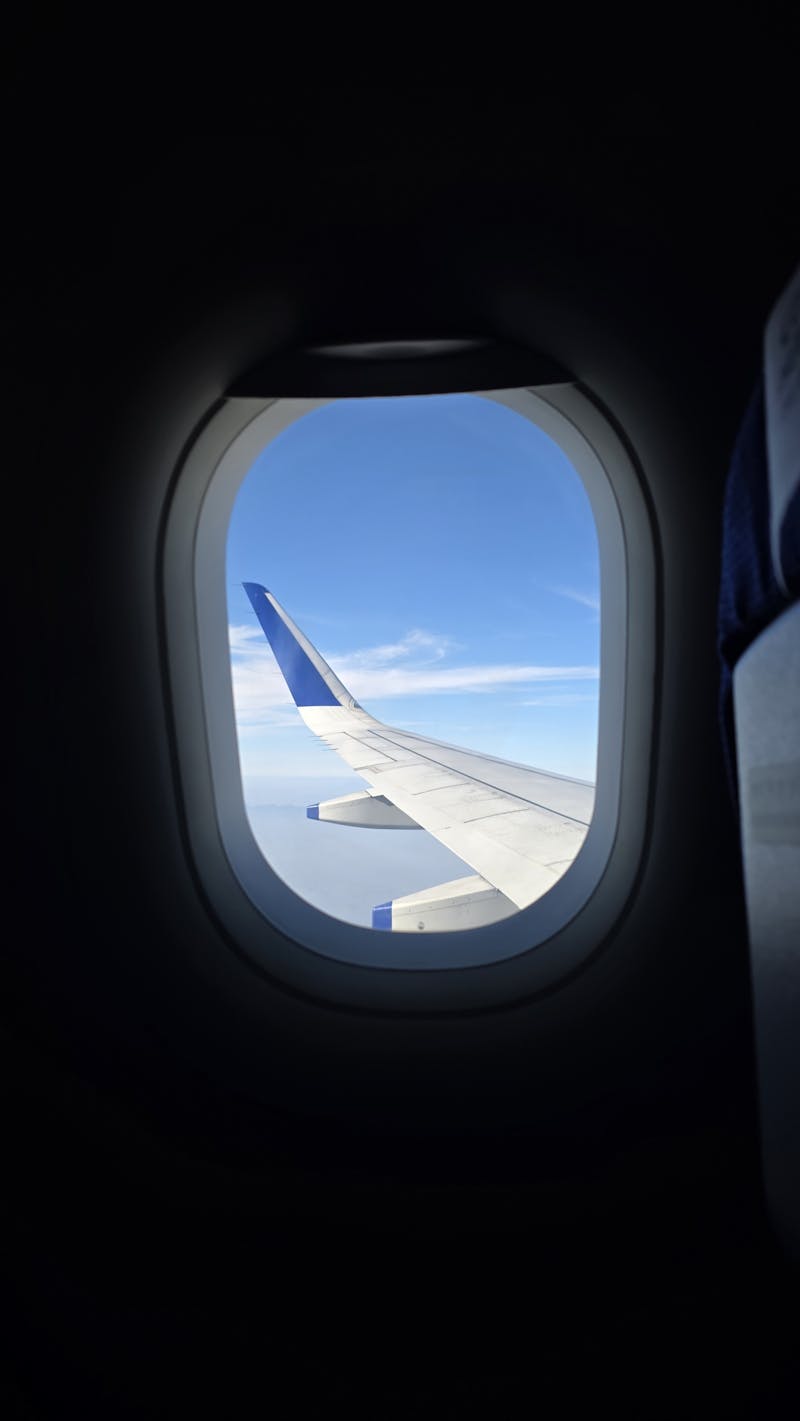
How to Survive a Long-Haul Flight: Tips and Tricks for a Successful Travel
Who has never dreaded a long-haul flight? Between being locked in a confined space, the jet lag, the dryness of the ambient air, the impossibility of sleeping comfortably and the boredom that lurks, the hours spent on board can quickly turn into a nightmare. However, with a little preparation and the right tips, a 10, 15 or even 20 hour flight can become a much more pleasant, even relaxing experience.
Whether you are an occasional traveler or a long-haul regular, this article offers you a complete guide to surviving and even enjoying your long-haul flights. From preparation before departure to arrival at your destination, including managing sleep, nutrition and entertainment, we reveal all the secrets of seasoned travelers.
Pre-Flight Preparation: The Key to Success

Everything is decided before you even board. Good preparation is essential to tackle a long-haul trip in the best conditions. Here are the aspects not to be neglected.
The choice of seat is probably the most important decision. On most long-haul planes, aisle seats make it easy to get up without disturbing your neighbors, a considerable advantage on flights lasting more than 8 hours. The window seats offer support for sleeping and control of the awning, but require you to step over your neighbors to get up. Rows near emergency exits generally offer more legroom, but seats may not recline. Avoid the back rows, often close to the toilets and the kitchen, where people are constantly coming and going. Use sites like SeatGuru or SeatLink to view detailed plans for your plane and choose the best seat available.
Clothing is another crucial factor. Forget tight or elegant clothes: prioritize comfort above all else. Opt for loose clothing made from natural fibers (cotton, linen, cashmere), which allow the skin to breathe. Layer layers: a t-shirt, a light shirt or sweatshirt, and a jacket or vest. Cabin temperatures can vary greatly, and it’s easier to take off a layer than to be cold. Compression socks are strongly recommended to promote blood circulation and prevent edema and the risk of venous thrombosis. Also bring a pair of shoes that are easy to take off and put on again, such as sneakers or moccasins.
The handbag or cabin baggage must be prepared carefully. Beyond travel documents and valuables, here are the essentials to put in your bag: an empty water bottle (which you will refill after security), healthy snacks (dried fruit, cereal bars, dark chocolate), a toiletry bag with toothbrush, toothpaste, deodorant, moisturizer, lip balm and refreshing wipes, a quality sleep mask, earplugs or headphones noise canceling, a memory foam neck pillow, an e-reader or book, and headphones compatible with the aircraft entertainment system.
Boarding and Getting Settled on Board
Once on board, installation is an important step. Take the time to get comfortable, organize your space and identify the available equipment (electrical outlet, USB port, remote control, seat adjustment buttons).
Store your belongings strategically. The items you will need during the flight (reader, headphones, cushion, toiletry bag, snacks) must be accessible in the backrest net or under the seat in front of you. Larger or less urgent items can be stored in the upper compartment.
As soon as you are installed, personalize your space. Adjust the individual ventilation to your liking, adjust the inclination of the backrest (in moderation, especially during meals), and position the armrest to maximize your comfort. If you are traveling with a loved one and the central armrest folds up, do not hesitate to do so to save space.
The first moments after takeoff are crucial in setting the tone for the flight. Once the safety instructions are complete and the tether signal is turned off, get up, stretch your legs and go to the bathroom before the cabin gets too busy. Take the opportunity to wash your hands and face with cool water, a simple gesture that helps you feel more alert and refreshed.
Sleep Management On Board
Sleeping on a plane is an art that can be learned. With the right techniques, it is entirely possible to recover several hours of quality sleep, which radically transforms the experience of flying and arriving at your destination.
The first secret is to adapt to the destination time zone from the start of the flight. If you are flying east and it will soon be time to sleep when you arrive, try to sleep during the flight. If you are traveling west and it will be daylight upon arrival, stay awake and sleep at your destination’s local time. This strategy, known as “jet lag management,” is the most effective for minimizing the effects of jet lag.
Create an environment conducive to sleep. The sleep mask is essential to block the ambient light in the cabin, which remains on even during the “night” phases. Earplugs or active noise-canceling headphones are just as important for filtering out the noise of engines, conversations and announcements. The cervical cushion keeps the head in a neutral position and prevents neck pain when waking up. Some experienced travelers also use a lumbar pillow to support the lower back.
Beware of sleeping pills. While certain medications may be useful in specific cases, they are often not recommended in flight because they can cause excessive drowsiness, confusion upon waking, and increase the risk of venous thrombosis due to prolonged immobility. Prefer natural solutions like melatonin (1 to 3 mg, taken at bedtime at your destination), soothing herbal teas, or relaxation techniques like deep breathing or guided meditation.
Meal timing also plays an important role. Avoid heavy and rich meals before sleeping: they disrupt digestion and sleep. If dinner service is offered right after takeoff and you want to sleep quickly, ask to be served later or opt for a light meal. Some companies offer an express service for passengers who want to sleep without waiting.
Finally, don’t forget to hydrate yourself. The air in the cabin is extremely dry (humidity level less than 20%, compared to 40-60% on the ground), which accelerates dehydration and disrupts sleep. Drink water regularly, avoid alcohol and caffeine which are dehydrating and disrupt the sleep cycle, and apply moisturizer to your face and lips.
In-Flight Food: Eat Well to Travel Better
Food on board is an aspect often overlooked but nevertheless essential for comfort and well-being during a long haul. Meals served on planes are often high in salt, added sugars and preservatives, which can worsen dehydration, bloating and fatigue.
Before the flight, choose a light and balanced meal. Avoid fatty, spicy or dairy foods, which can cause digestive discomfort. Whole-grain starchy foods (brown rice, whole-wheat pasta, cereal bread) are a good source of slow-release energy, ideal for a long-haul flight. Fruits and vegetables, rich in water and vitamins, help maintain good hydration and strengthen the immune system.
On board, adopt a sensible eating strategy. Drink water regularly (at least 250 ml every hour), even if you are not thirsty. The feeling of thirst is less noticeable at altitude, and dehydration sets in insidiously. Avoid carbonated drinks, which cause bloating due to cabin pressure. Green tea and herbal teas are good alternatives to water, as long as you choose them without caffeine for late drinks.
Alcohol should be consumed in moderation in flight. Due to the reduced cabin pressure, the effects of alcohol are amplified: one beer at altitude is equivalent to two beers on the ground. Alcohol dehydrates, disrupts sleep and worsens the effects of jet lag. If you want to have a drink, limit yourself to a glass of wine or a light beer, and accompany it with a large glass of water.
Most companies offer special meals (vegetarian, vegan, gluten-free, kosher, halal, diabetic, etc.) upon request, usually up to 48 hours before the flight. These meals are often prepared with more care and may be more tailored to your nutritional needs. Do not hesitate to order them when booking your ticket.
Pack your own snacks. Dried fruits, almonds, cereal bars without added sugar, fresh fruits (apples, bananas) and rice cakes are excellent options to satisfy a little hunger between meals, without the excess salt and sugar of the snacks distributed on board.
Inflight Entertainment: How to Fill Long Hours
The in-flight entertainment system is a valuable resource for occupying long hours of flight. In 2026, companies offer increasingly rich catalogs, with hundreds of films, series, documentaries, podcasts, games and audio content.
Plan your entertainment in advance. Consult the company’s catalog before the flight (some applications allow you to do this when booking) and locate the films or series you want to see. Plan a varied selection: an action film for waking moments, a light comedy to relax, a documentary to learn something, and a series for long time slots.
Don’t forget to charge your personal devices. Even if the on-board entertainment systems are of high quality, having your own e-reader, tablet or smartphone with personal content (books, podcasts, music, downloaded films) allows you to vary your pleasures and have an alternative in the event of a breakdown of the on-board system. Most long-haul planes are equipped with electrical outlets and USB ports, but it is wise to have an external battery backup.
Alternating activities is the key to avoiding boredom and fatigue. Alternate between movies, reading, music, games and rest periods. Get up regularly to stretch your legs, walk the aisles and do some stretches. These active breaks improve blood circulation, reduce fatigue and make flying more bearable.
Sleep is not a waste of time, it is an investment for your arrival. If you can get even 4-5 hours of sleep during a 12-hour flight, you’ll arrive at your destination in much better shape than if you stayed awake the entire flight. Don’t hesitate to sacrifice a movie for a restful nap.
Technology and Connectivity On Board
In 2026, technology is transforming the long-haul flight experience. In-flight entertainment systems are more efficient than ever, but travelers also have access to digital tools that make it easier to prepare and monitor their flight.
Onboard Wi-Fi connectivity has become standard on most long-haul flights. The main companies (Emirates, Qatar Airways, Singapore Airlines, Air France, Delta) now offer free Wi-Fi for passengers of all classes, or at very affordable rates for unlimited access throughout the flight. Speeds, thanks to Starlink satellites and onboard 5G networks, reach speeds comparable to those of optical fiber on the ground, allowing you to stream 4K videos, make video calls or work remotely without any discomfort.
Airline mobile applications have become essential tools. Before the flight, they allow you to choose your seat, order your meal, pre-book your entertainment and receive real-time notifications on the status of the flight. During the flight, they provide access to information about the flight (altitude, speed, position on the interactive map), allow you to order additional snacks or drinks, and offer direct chat with the crew. After the flight, they facilitate baggage collection, booking transfers and registering complaints in the event of a problem.
Smartwatches and activity trackers can also be useful for managing jet lag. Apps like Timeshifter or Jet Lag Rooster use algorithms based on chronobiology research to recommend the best times to expose yourself to light, consume caffeine, exercise or take melatonin, based on your flight and your usual sleep pattern.
Electronic readers remain the ideal companions for long flights. Lightweight, with a battery life of several weeks and a non-backlit screen which is less tiring for the eyes, they allow you to carry hundreds of books without weighing down your luggage. Recent models are waterproof and have adjustable integrated lighting, perfect for reading on the plane without disturbing your neighbors.
For business travelers, in-car productivity tools are essential. Synchronized note apps (Notion, Evernote, OneNote), cloud storage services (Dropbox, Google Drive, iCloud) and VPNs make it possible to work efficiently even at 10,000 meters above sea level. Some companies even offer coworking spaces on board, with seats specifically designed for work, universal electrical outlets and lighting adapted to concentration.
Hygiene and Well-being on Board
Maintaining good personal hygiene during a long haul is essential for comfort and dignity, but also for health. The promiscuity and dry air of the cabin encourage the spread of germs and the drying out of the skin and mucous membranes.
The on-board toiletry bag is your best ally. Brush your teeth after every meal to remove food residue and freshen your breath. Use refreshing wipes to clean your face and hands several times during the flight. Regularly apply a moisturizer to your face and hands, as well as a lip balm to prevent chapping. Thermal water or rose water sprays are also very popular for refreshing and hydrating the face.
Seated exercises are easy to perform and very beneficial. Roll your ankles, flex and extend your feet, contract and relax your calves, raise your knees alternately… These simple movements, repeated every 30 to 60 minutes, stimulate blood circulation in the legs and considerably reduce the risk of venous thrombosis. Compression socks, worn throughout the flight, are also very effective.
Get up and walk the aisles every 2 to 3 hours. Take the opportunity to take a few steps, stretch your arms and back, and go to the bathroom even if you don’t feel the need. If the crew allows you, a few stretching exercises near the emergency exits or in the back of the cabin can work wonders.
Time Difference Management
Jet lag, or jet lag, is one of the most feared aspects of long-haul travel. It results from the desynchronization between our internal clock (circadian rhythm) and the destination time zone. Symptoms include fatigue, trouble sleeping, difficulty concentrating, irritability and digestive problems.
Prevention begins before departure. In the days leading up to your trip, begin to gradually shift your sleeping and eating times towards those of your destination. If you are traveling east, go to bed and get up earlier; towards the west, later. This gradual adaptation facilitates the transition.
During the flight, apply the golden rule: live on time at your destination. Set your watch and electronic devices to the destination time zone upon boarding. Eat at meal times at your destination, sleep at sleeping times, and stay awake at waking times. This simple discipline is the most effective technique for minimizing jet lag.
Upon arrival, expose yourself to natural light. Light is the main regulator of our biological clock. If you arrive in the morning, spend time outside, even if you are tired. If you arrive in the evening, avoid bright light and prepare to sleep. Light physical activity (walking, stretching) also helps to synchronize the internal clock.
Avoid naps that are too long upon arrival. A 20 to 30 minute nap can be invigorating, but a 2 to 3 hour nap may disrupt your nighttime sleep and prolong the adjustment to the new time zone. Try to make it until your local normal bedtime, even if you are very tired.
Conclusion: The Art of Long-Haul Travel
A well-managed long-haul flight can be an enjoyable, even rewarding, experience. Far from daily stress, it is a special time to relax, read, watch films, listen to music, or simply think. With good preparation, the right equipment and the right strategies, you can transform this constraint into an opportunity.
Each traveler develops their own tips through experiences. Feel free to experiment and find what works best for you. The most important thing is to arrive at your destination in good physical and mental shape, ready to fully enjoy your trip. So, pack your bag, choose your seat, and board with peace of mind: the long haul is no longer an ordeal, but a stage of the journey to be savored.
