
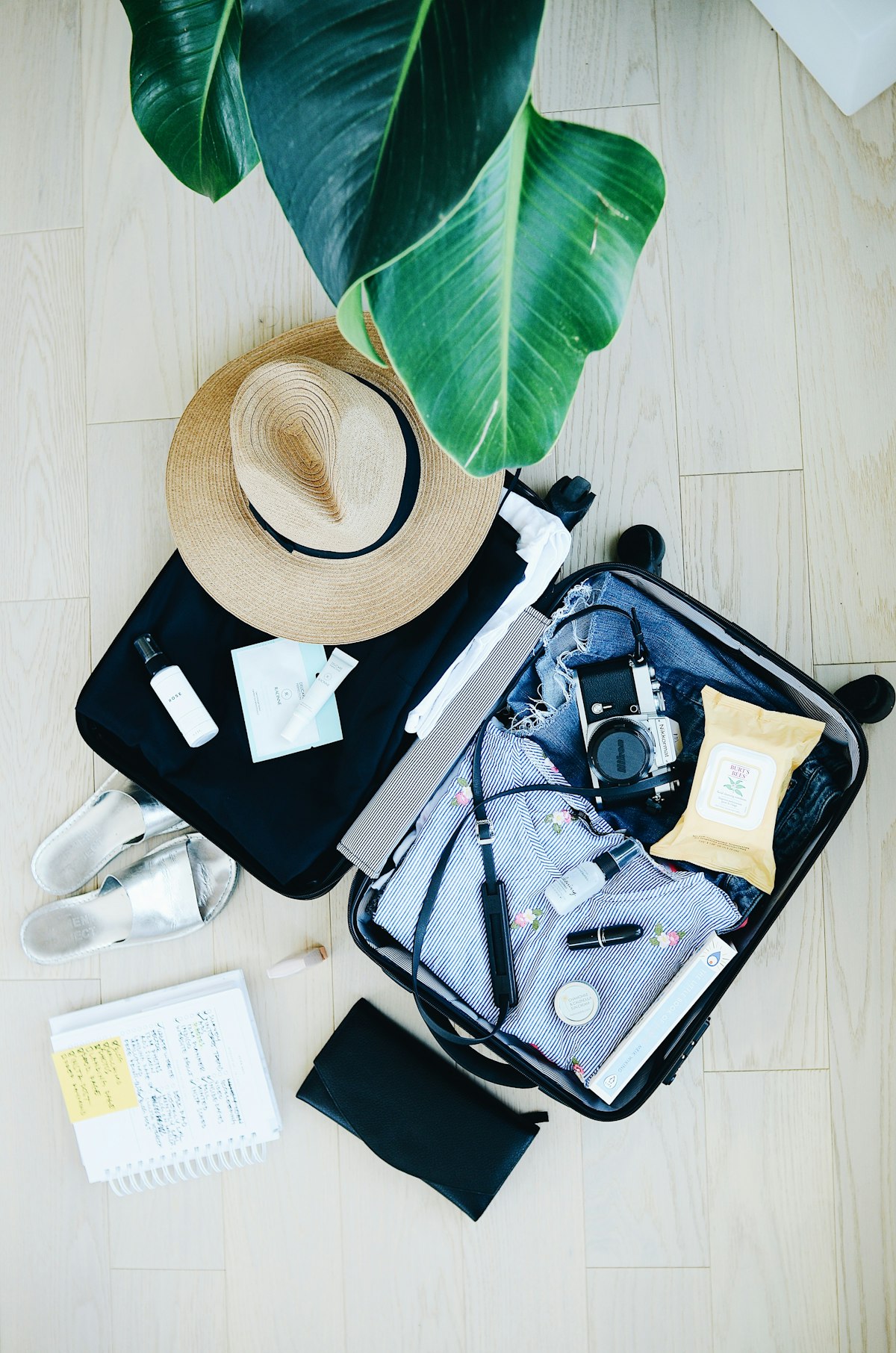
Every seasoned traveler has a story about the moment they learned to pack light. Perhaps it was dragging an overstuffed suitcase up five flights of narrow stairs in a Parisian walk-up with no elevator. Perhaps it was watching a connecting flight depart while stuck at baggage claim, or paying an excess baggage fee that exceeded the cost of the flight itself. Whatever the catalyst, the realization is universal: the freedom of traveling light — both literal and psychological — is one of the most transformative upgrades you can make to your travel experience. This guide will show you how to build a versatile, stylish, and climate-adaptable 10-item travel wardrobe that can sustain you for weeks or even months on the road, fitting comfortably into a carry-on bag.
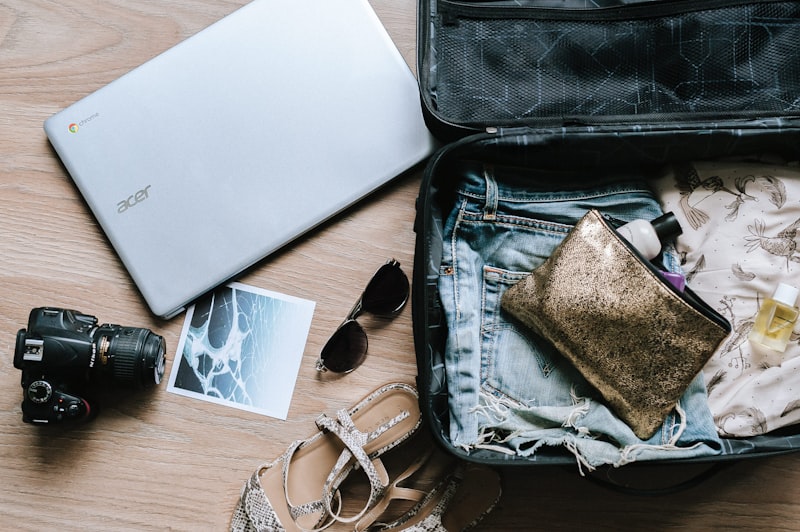
The right accessories and organization make packing light effortless.
Why Pack Light?
The practical benefits of packing light are well-documented. You save money on checked baggage fees (which in 2026 can exceed $75 per bag per direction on some airlines). You eliminate the risk of lost luggage, which remains a non-trivial probability — airlines worldwide mishandled approximately 26 million bags in 2022, with rates spiking during peak travel periods and irregular operations. You move faster through airports and train stations. You can use public transportation from the airport rather than taxis sized for oversized luggage. You can walk from the train station to your hotel rather than needing to find a ride. And you can change plans spontaneously — jumping on a different train, accepting an unexpected invitation, extending your stay in a place you love — without the logistical burden of a heavy bag.
But the psychological benefits are equally profound. Traveling light means making fewer decisions about what to wear each day. It means never worrying about whether your luggage will fit in an overhead bin or a rental car trunk. It means the liberating realization that you need far less than you think you do — a lesson that tends to outlast the trip itself.
The 10-Item Formula
The 10-item travel wardrobe is a flexible framework, not a rigid prescription. The exact pieces vary depending on your personal style, the climate of your destination, and the nature of your trip (business, leisure, or a mix). The underlying principle is that each piece must earn its place by being versatile, coordinating with most or all of the other pieces, appropriate for multiple contexts, comfortable, and reasonably wrinkle-resistant.
Here is a foundational 10-item wardrobe designed for a multi-week trip across variable weather — the kind of journey where you might encounter both a warm afternoon in a Mediterranean city and a cool, rainy evening in a northern European capital. The list includes: (1) a lightweight merino wool or cashmere crewneck sweater in navy, charcoal, or camel; (2) a crisp white cotton or cotton-silk blend button-front shirt; (3) two high-quality t-shirts in neutral colors — one white, one black or grey — in Pima cotton, merino wool, or a technical blend that resists odor; (4) a pair of dark, well-fitting jeans or tailored chinos in a neutral color; (5) a pair of tailored trousers in a seasonless fabric like tropical wool or a wool-synthetic blend that drapes well and resists wrinkling; (6) a versatile blazer or unstructured jacket in a lightweight wool or technical fabric — ideally navy, which pairs with both jeans and tailored trousers; (7) an outer layer appropriate to the climate: a classic trench coat, a packable down jacket, or a waterproof shell depending on season; (8) a dress, jumpsuit, or skirt (for those who wear them) in a wrinkle-resistant fabric and neutral color; (9) comfortable walking shoes that are also stylish enough for a nice dinner — leather sneakers, Chelsea boots, or elegant flats; and (10) a second pair of shoes that serves a different purpose — dressier shoes for evenings, sandals for warm weather, or running shoes if exercise is part of your travel routine.
This list intentionally excludes underwear, socks, sleepwear, and accessories from the count — those are small and pack flat, and the “10 items” refers to the visible outfit-building pieces. The goal is not an arbitrary number but a mindset: every piece must justify its presence in your bag.
Adapting the Formula for Different Climates
The 10-item framework adapts to virtually any climate by adjusting fabrics, layering strategy, and the specific pieces included. For a tropical destination, swap the wool sweater for a lightweight linen or cotton-linen blend button-front shirt that can be worn open over a t-shirt for sun protection or buttoned up for a smarter look. Replace the tailored trousers with a pair of lightweight, quick-drying chinos or a midi skirt in a breathable fabric. The blazer might become an unlined linen jacket, and the packable down jacket is replaced by a lightweight rain shell that folds into its own pocket.
For cold-weather travel, the formula shifts toward layering: a base layer in merino wool (which regulates temperature, wicks moisture, and resists odor), a mid-layer like the crewneck sweater, an insulating layer (a packable down or synthetic jacket), and a waterproof-breathable outer shell that protects against wind and rain. This system — borrowed from outdoor technical clothing but executed in fabrics and cuts that look appropriate in a city — allows you to handle temperatures from mild to well below freezing, adding or removing layers as conditions dictate.
The key to climate adaptability is fabric choice. Merino wool is a miracle material for travel: it regulates body temperature in both heat and cold, absorbs and releases moisture without feeling damp, resists odor for days (or weeks) of wear between washes, packs small, and drapes well. Technical fabrics — once the domain of outdoor gear — are increasingly designed for urban travel, with brands like Outlier, Ministry of Supply, and Seagale producing pants, shirts, and blazers that look tailored while performing like athletic wear.
The Art of the Capsule Color Palette
A successful travel wardrobe is built around a cohesive color palette in which every top can be worn with every bottom, and every layer works with every other layer. The simplest and most foolproof palette is built on a foundation of neutrals — navy, charcoal, camel, cream, white, and black — with one or two accent colors added through accessories (a scarf, a belt, a piece of jewelry) or a single garment (a burgundy sweater that coordinates with all your neutral bottoms).
A useful rule of thumb is the “three-color rule”: choose three core colors for your travel wardrobe, ensuring that they all work together. A typical palette might be navy, cream, and camel, or black, white, and grey, or olive, khaki, and ivory. Every piece in your bag should coordinate with at least two of your three core colors, ensuring that any top you pull out of the bag in the morning will work with any bottom.
Pattern is used sparingly, if at all, in a compact travel wardrobe. A single patterned item — a striped shirt, a subtle check blazer — can add visual interest, but multiple patterns compete with each other and limit mix-and-match potential. If you include one patterned piece, make sure it incorporates your core colors so that it still coordinates with everything else.
Packing Techniques That Make a Difference
How you pack matters as much as what you pack. The goal is to maximize space, minimize wrinkles, and maintain accessibility — you should be able to retrieve any item without unpacking everything else.
The rolling method — tightly rolling each garment rather than folding it — reduces wrinkles (creases form at fold lines, not along rolls) and makes items more compact and easier to see at a glance. For tailored pieces like blazers and dress shirts, folding carefully using the “bundle method” (wrapping clothes around a central core, which prevents sharp creases) can be worth the extra effort. Packing cubes — lightweight fabric containers with zippers — are transformative for organization: they compress clothing, separate clean from dirty items, and allow you to pull out specific categories (all tops, all bottoms) without disarranging the entire bag. A set of three to four packing cubes in different sizes costs little and will change your relationship with your suitcase.
Footwear is the bulkiest category, which is why the 10-item formula limits you to two pairs: one worn on travel days (the heavier pair), one packed. Stuff socks, underwear, and other small items inside your packed shoes to utilize every cubic centimeter. Toiletry containers should be minimized to the absolute essentials — solid shampoo and conditioner bars save space and avoid liquid restrictions, and a single multi-purpose balm can often replace separate moisturizer, lip balm, and hand cream.
Maintaining Your Wardrobe on the Road
One of the most common objections to packing light is the question of laundry. The answer depends on your travel style and budget. Many travelers do a quick sink wash of underwear and t-shirts every night or two — merino wool and technical fabrics dry overnight, and a small tube of travel laundry detergent or a bar of laundry soap takes up almost no space. For longer trips, planning accommodations with laundry facilities (apartment rentals, or hotels with guest laundry) every five to seven days allows you to refresh everything in one go. In many parts of the world, full-service laundry is remarkably inexpensive — in much of Southeast Asia, you can drop off a bag of clothes in the morning and collect it washed, dried, and folded for a few dollars by evening.
A small repair kit — a needle and thread, a few safety pins — handles the inevitable minor emergencies: a loose button, a small tear, a broken zipper pull. These items weigh almost nothing and can extend the life of a garment that would otherwise be unusable for the remainder of the trip.
The 10-item travel wardrobe is a practice, not a destination. Your first attempt will likely include items you never wore and exclude something you wish you had brought. Each trip teaches you something about what you actually need versus what you only thought you needed. Over time, you develop an intuitive sense of your personal travel uniform — and packing becomes not a stressful pre-departure ordeal but a five-minute exercise in placing a small pile of proven, beloved items into a bag that will be light on your shoulder and invisible in your experience. The freedom is addictive. Once you have traveled light, you will never want to go back.
