
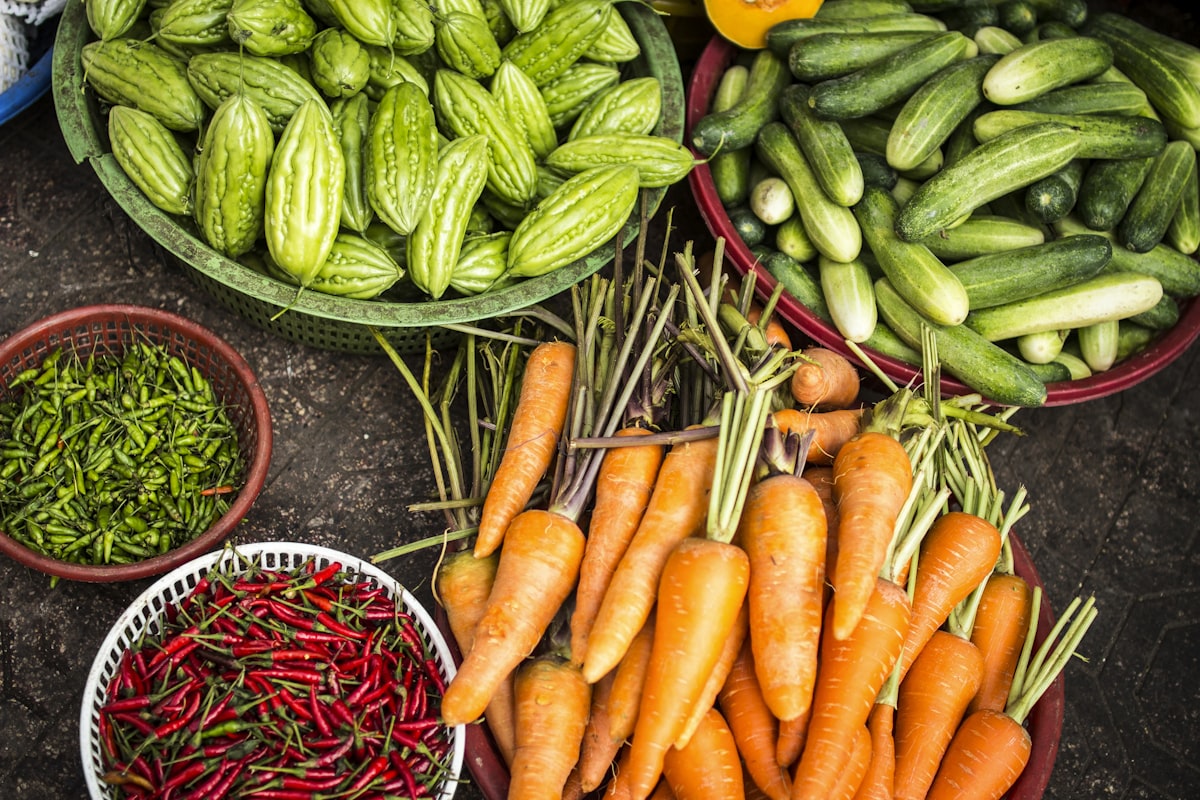
There is something profoundly satisfying about eating a meal in the place where its ingredients were grown. The tomato tastes brighter, the cheese carries the scent of the pasture, and the wine seems to hold the memory of the hillside where its grapes ripened. Farm-to-table travel — the intersection of agriculture, gastronomy, and tourism — has emerged as one of the most meaningful ways to experience a destination. It connects you not just to the food on your plate but to the land, the seasons, and the people whose lives are woven into the landscape. In 2026, as travelers increasingly seek authenticity and sustainability in their journeys, agritourism experiences around the world are more diverse, more accessible, and more rewarding than ever.
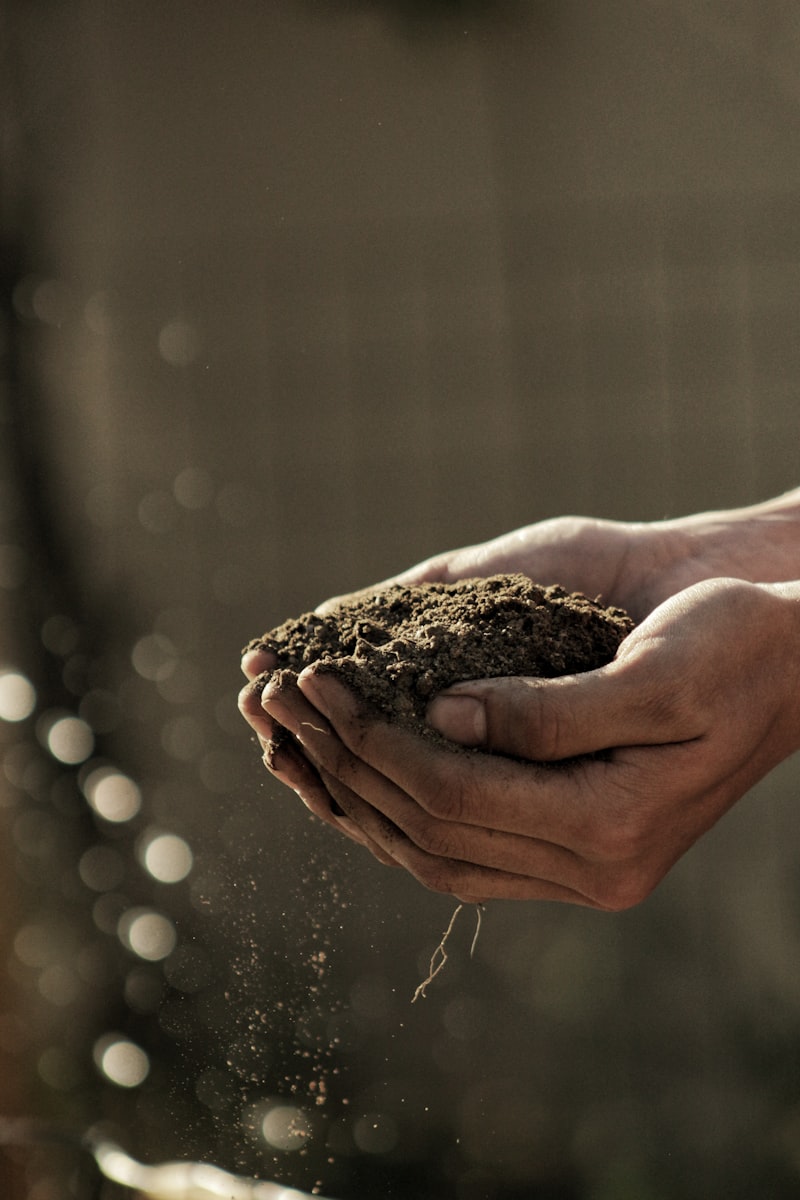
Farm-to-table travel connects you directly with the people who grow your food.
What Is Farm-to-Table Travel?
Farm-to-table travel encompasses a broad spectrum of experiences, from a simple meal at a farm-to-fork restaurant to extended stays on working farms and ranches. At its heart, it is about shortening the distance between producer and consumer — ideally to zero. You might spend a morning harvesting olives in Tuscany, an afternoon learning to make cheese in the French Alps, or a week volunteering on an organic vegetable farm in New Zealand. The common thread is that food is not just something you eat; it is something you participate in.
The rise of farm-to-table travel reflects several converging trends: growing awareness of the environmental impact of industrial agriculture and long-distance food transport, a desire for more meaningful and immersive travel experiences, and the simple fact that food grown with care, harvested at peak ripeness, and eaten within hours (or even minutes) of leaving the soil tastes incomparably better than anything that has spent days or weeks in a cold chain. Chefs like Dan Barber of Blue Hill at Stone Barns in New York, Massimo Bottura of Osteria Francescana in Modena, and Ana Roš of Hiša Franko in Slovenia have championed this philosophy, building global reputations around menus that are expressions of their specific place and season.
Italy: The Spiritual Home of Agriturismo
Italy invented the modern agritourism movement, and it remains the country where farm-to-table travel is most deeply embedded in the culture. The Italian “agriturismo” system, formalized by law in 1985, allows working farms to offer accommodation and meals to visitors, provided the majority of their revenue still comes from agriculture. Today, there are over 20,000 agriturismi across Italy, ranging from simple farmhouses offering a few rooms and home-cooked meals to luxury estates with infinity pools, cooking schools, and Michelin-starred restaurants.
Tuscany is the classic starting point. In the hills south of Siena, surrounded by vineyards and olive groves, agriturismi like Fattoria Poggio Alloro near San Gimignano offer guests the chance to participate in the full agricultural cycle: harvesting grapes during the September vendemmia, picking olives in November, and learning to make pecorino cheese year-round. Meals are prepared with ingredients that were typically harvested that same day, and the farm’s own wine and olive oil flow freely. The experience is as much cultural as culinary: you learn about the rhythms of rural life that have shaped this landscape for centuries.
But Tuscany is only the most famous example. In Piedmont, the Langhe region — home to Barolo and Barbaresco wines and the extraordinary white truffle of Alba — offers agriturismi nestled among hazelnut groves and vineyards. In Sicily, farm stays on the slopes of Mount Etna combine extraordinary volcanic terroir with citrus groves and ancient olive trees. In Puglia, masserie — fortified farmhouses — have been converted into elegant accommodations where guests can learn to make orecchiette pasta, burrata cheese, and the region’s distinctive olive oil.
France: From the Source
France’s relationship with food is famously reverent, and farm-to-table experiences here are built around the concept of “terroir” — the idea that a product’s character is inseparable from the specific place where it is produced. This philosophy is enshrined in the Appellation d’Origine Contrôlée (AOC) system, which rigorously defines the geographic boundaries and production methods for wine, cheese, and dozens of other agricultural products.
In Normandy, you can stay on a working dairy farm and trace the journey from pasture to plate: watching cows graze on the region’s famously rich grassland, learning how raw milk is transformed into Camembert de Normandie AOC, and tasting the finished cheese alongside local cider and Calvados apple brandy. In Provence, olive farms and lavender producers welcome visitors for harvest-season stays, while truffle-hunting experiences — following trained dogs through oak forests in search of the “black diamond” of French gastronomy — are available in the Dordogne and Vaucluse from November through March.
Perhaps the most immersive French farm-to-table experiences are found in the Alps, where the tradition of “alpage” — the seasonal movement of dairy cows to high mountain pastures — continues much as it has for centuries. In the Savoie and Haute-Savoie regions, visitors can spend a day (or longer) with a shepherd or cheesemaker at a mountain chalet at 1,800 meters, watching the morning milking, learning the alchemy of transforming raw milk into Beaufort, Reblochon, or Abondance, and eating a meal that consists almost entirely of products made within a few hundred meters of where you sit.
Japan: Satoyama and the Harmony of Food and Landscape
Japan’s approach to farm-to-table travel is rooted in the concept of “satoyama” — the border zone between mountain foothills and arable flat land where traditional Japanese agriculture coexists with a rich ecosystem of wild plants and animals. Satoyama landscapes, with their terraced rice paddies, managed woodlands, and small mixed-crop farms, represent an ideal of harmony between human activity and the natural world.
In rural Japan, farm-stay programs (“noka minshuku”) offer visitors the opportunity to live and work alongside farming families. In the terraced rice paddies of the Noto Peninsula, designated a Globally Important Agricultural Heritage System by the UN Food and Agriculture Organization, you can participate in rice planting in spring or harvesting in autumn, learning techniques that have been practiced for over a thousand years. The meals — featuring the rice you helped plant or harvest, along with seasonal mountain vegetables, river fish, and handmade miso — are a direct expression of the landscape.
In the tea-growing regions of Shizuoka, Uji, and Kagoshima, farm stays offer immersion in the world of Japanese green tea. You learn the difference between sencha, gyokuro, and matcha not from a textbook but by walking through the tea fields, understanding how shading, harvest timing, and processing technique create radically different flavors from the same plant. A tea ceremony conducted with leaves you helped harvest carries a resonance that no café experience can replicate.
Peru: The Cradle of Agricultural Biodiversity
Peru is one of the world’s great centers of agricultural biodiversity, and its farm-to-table travel experiences reflect this extraordinary heritage. The Andes are the birthplace of the potato — Peru cultivates over 3,000 varieties — as well as quinoa, amaranth, and dozens of other crops that now feed the world. In the Sacred Valley of the Incas, between Cusco and Machu Picchu, indigenous Quechua communities invite visitors to participate in traditional agricultural practices: planting potatoes using ancient foot plows, harvesting quinoa by hand, and learning how freeze-drying techniques developed by the Incas — producing chuño, a dehydrated potato that can be stored for years — remain in use today.
The rise of Lima as one of the world’s great gastronomic capitals — home to Central, Maido, and Astrid y Gasteón, each consistently ranked among the best restaurants on Earth — has created a natural bridge between high-end cuisine and small-scale agriculture. Chefs like Virgilio Martínez of Central have built their menus around the concept of altitude, with each course representing ingredients sourced from a specific elevation of Peru’s dramatically varied ecosystems. His restaurant’s research arm, Mater Iniciativa, works directly with indigenous communities across the Andes and Amazon, and visitors to the Sacred Valley can tour the cultivation sites and meet the farmers who supply what is arguably the most ambitious restaurant on the planet.
New Zealand: Paddock to Plate
New Zealand’s agricultural identity — built around sheep, dairy, wine, and a growing portfolio of specialty crops — makes it a natural destination for farm-to-table travel. The country’s compact geography means you can visit a dairy farm, a vineyard, a truffière (truffle orchard), and a manuka honey operation all in a single day.
In the Hawke’s Bay region on the North Island, farm-to-table experiences center on the intersection of agriculture and wine. The region’s Mediterranean-like climate supports olive groves, stone fruit orchards, and vineyards producing world-class Syrah and Chardonnay. Several wineries operate farm-to-table restaurants where the menu changes daily based on what the kitchen garden yields, and some offer “foraging walks” where guests gather wild herbs, edible flowers, and mushrooms that become part of the meal.
On the South Island, the Central Otago region — the world’s southernmost wine region, famous for Pinot Noir — has developed a network of farm-to-table experiences that leverage the dramatic alpine scenery as much as the food. High-country sheep stations offer immersive stays where guests participate in mustering (the gathering of sheep from remote pastures) and taste premium New Zealand lamb prepared over an open fire, paired with local wines, under a sky unpolluted by artificial light.
Practical Tips for Farm-to-Table Travelers
Farm-to-table travel requires a slightly different mindset than conventional tourism. Schedules are dictated by agricultural rhythms rather than tourist convenience. The best time to visit an olive farm is during the November harvest, not July, however pleasant the summer weather. Cheese-making happens when the animals are producing milk, which is seasonal for sheep and goats. Research the agricultural calendar of your destination before booking and plan your trip around what is actually happening on the farm at that time of year.
Be prepared to participate. The most rewarding farm-to-table experiences involve some degree of hands-on activity — whether that means spending an hour picking vegetables for dinner or a full day working alongside the farm team. Come with appropriate footwear (waterproof boots are rarely a bad idea), clothes you do not mind getting dirty, and a genuine curiosity about the work. The farmers and food producers who open their doors to visitors are passionate about what they do, and your interest is the currency that makes the exchange meaningful.
Book well in advance, especially for the most sought-after experiences. Many agriturismi and farm stays have only a handful of rooms, and the best fill up months ahead, particularly during harvest seasons. Consider traveling in the shoulder season: a vineyard in late spring, when the vines are flowering, offers a different but equally beautiful experience compared to the crowded autumn harvest, and you are likely to have more time with the hosts.
Farm-to-table travel is, ultimately, about reconnection — to the land, to the seasons, to the people who grow our food, and to the simple, profound pleasure of eating something that could not possibly be any fresher. In a world of industrially processed food and anonymous supply chains, these experiences remind us of what eating is supposed to be.
