
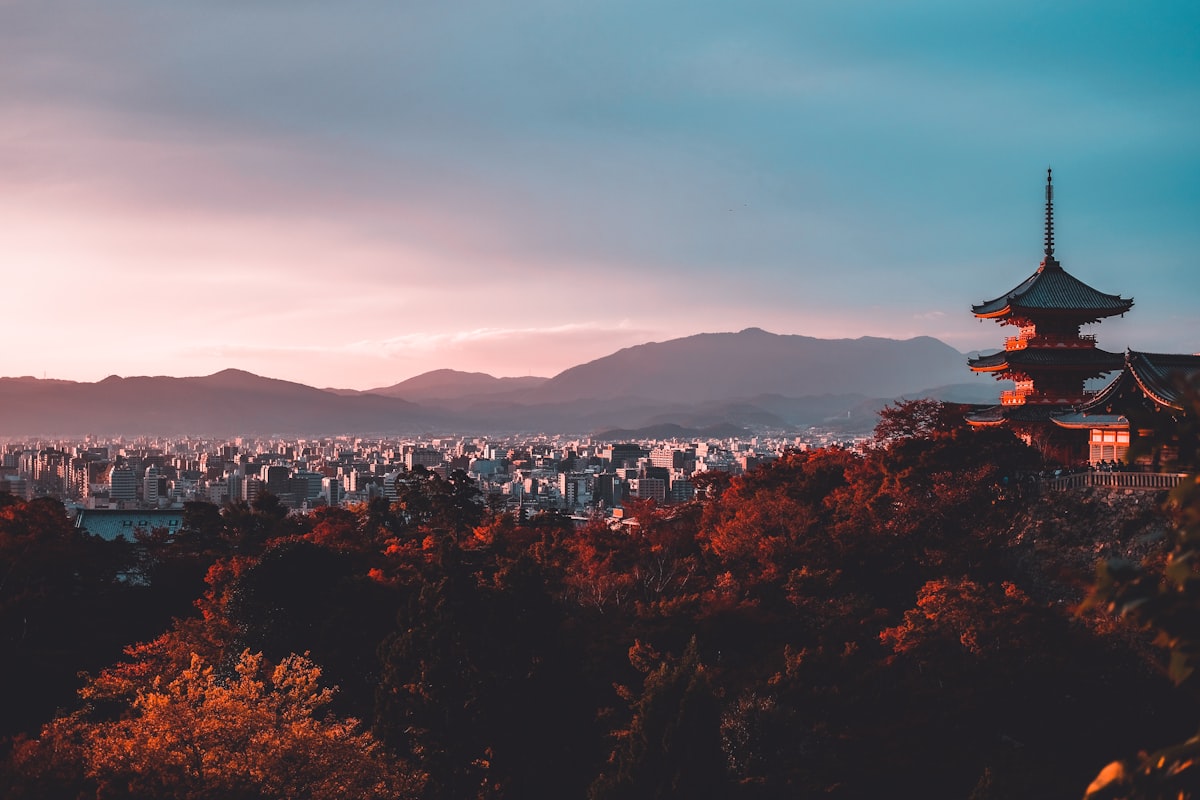
Japan is a country that rewards the curious traveler. While the neon-lit streets of Tokyo, the ancient temples of Kyoto, and the vibrant food scene of Osaka rightfully claim their place on most first-time itineraries, there is a quieter, deeper Japan waiting beyond the well-trodden Golden Route. This is a Japan of misty mountain valleys, centuries-old pottery villages, remote onsen towns, and islands where time seems to move at a different pace. In 2026, as overtourism continues to challenge the major cities, venturing into Japan’s lesser-known regions offers not only a more authentic experience but also a more sustainable way to explore this extraordinary country.
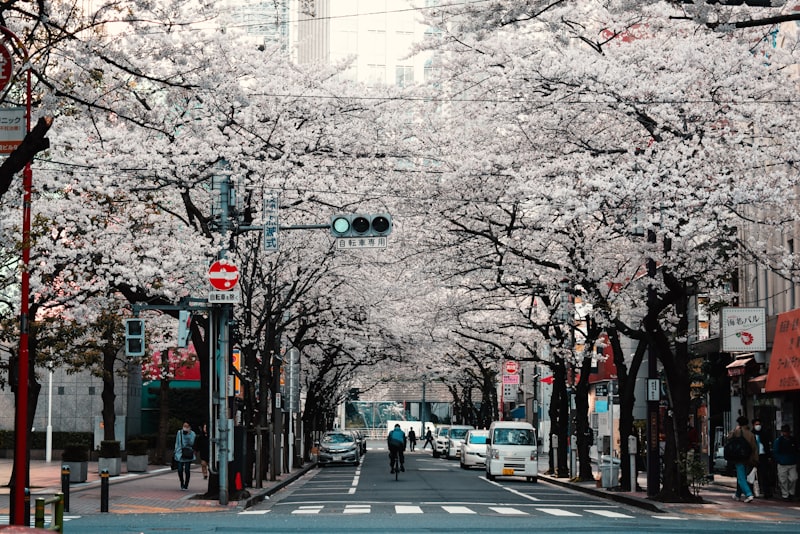
The Japanese countryside reveals a side of the country that many visitors never see.
The San’in Region: Japan’s Mythological Heartland
Stretching along the Sea of Japan coast, the San’in region — encompassing Shimane and Tottori prefectures — is often called the birthplace of Japanese mythology. This is where the gods of Shinto legend are said to have walked, and the landscape still carries an aura of the ancient and the sacred.
Izumo Taisha, in Shimane Prefecture, is one of Japan’s most important and ancient Shinto shrines, predating even the Ise Grand Shrine in historical significance. Dedicated to Okuninushi, the god of marriage and relationships, Izumo Taisha is notable for its massive shimenawa (sacred straw rope), one of the largest in Japan, which hangs from the Kaguraden hall and weighs several tons. Each October, according to Shinto belief, all eight million gods of Japan gather at Izumo Taisha for a divine conference, which is why the month is called “Kannazuki” (the month without gods) everywhere in Japan except in Izumo, where it is called “Kamiarizuki” (the month with gods). Visiting during this time offers a chance to witness rituals and ceremonies seen nowhere else.
Just north of Izumo lies the town of Yasugi and the Adachi Museum of Art, whose garden has been ranked the best in Japan by the Journal of Japanese Gardening for over 20 consecutive years. The garden is designed as a “living painting,” meant to be viewed through the museum’s windows like framed artworks. It is a masterwork of borrowed scenery (shakkei), incorporating the distant mountains into its composition, and changes dramatically with each season.
Further east in Tottori Prefecture, the Tottori Sand Dunes are Japan’s only large-scale dune system, stretching 16 kilometers along the coast and rising up to 50 meters high. At first glance, they seem almost out of place in Japan — a landscape more reminiscent of the Sahara than of East Asia. Visitors can ride camels, sandboard down the slopes, or simply walk the ridgelines at sunset when the sand glows gold. Adjacent to the dunes, the Sand Museum features astonishingly detailed sand sculptures by artists from around the world, with exhibitions that change annually.
Tohoku: The Deep North
The Tohoku region, comprising the northern third of Honshu island, remains one of Japan’s most underappreciated travel destinations. The region’s reputation for deep snow in winter belies its spectacular summer festivals, fiery autumn foliage, and some of the country’s most soulful onsen towns.
Ginzan Onsen, in Yamagata Prefecture, is a hot-spring town that looks as if it has been frozen in the Taisho era (1912–1926). Its main street is lined on both sides with traditional wooden ryokan, their multi-story facades illuminated by gas lamps after dark. A footbridge crosses the central river at several points, and in winter, when heavy snow blankets the roofs and the steam rises from the hot spring water channeled through the town, the scene is almost impossibly romantic. Ginzan Onsen inspired the bathhouse in Hayao Miyazaki’s “Spirited Away,” and the resemblance is unmistakable.
Dewa Sanzan, also in Yamagata, refers to the Three Sacred Mountains of Dewa: Mount Haguro, Mount Gassan, and Mount Yudono. This is a center of Shugendo, an ancient syncretic tradition blending Shinto, Buddhism, and mountain worship. Pilgrims — and visitors — follow a path through a primeval cedar forest on Mount Haguro, climbing 2,446 stone steps past a five-story pagoda that dates to the 14th century and is designated a National Treasure. The pilgrimage route is open year-round, and the experience of walking through this misty, moss-covered forest is profoundly meditative.
Shikoku: The Island of Pilgrimage
Shikoku, the smallest of Japan’s four main islands, is defined by the 88 Temple Pilgrimage — a 1,200-kilometer circular route associated with the Buddhist monk Kukai (Kobo Daishi), who founded the Shingon school of Buddhism in the 9th century. While completing the entire circuit takes about six weeks on foot, you can experience its spirit by visiting a handful of temples or walking a single day’s section.
The Iya Valley, in the mountainous interior of Tokushima Prefecture, is one of Japan’s most remote and beautiful places. Known as one of Japan’s “three hidden regions,” the valley is characterized by steep, vine-covered gorges, traditional thatched-roof farmhouses, and the famous Iya vine bridges — precarious-looking suspension bridges woven from mountain vines that span the Iya River. Historically, these bridges were built by the defeated Heike clan who fled to Iya after losing the Genpei War in the 12th century; the bridges could be cut down quickly to prevent pursuit. Today, crossing one of the reconstructed bridges — swaying above a turquoise river with gaps between the wooden slats wide enough to see the water below — is a genuinely thrilling experience.
Kyushu’s Volcanic Wonders
Kyushu, the southernmost of Japan’s main islands, is a land of active volcanoes, steaming hot springs, and culinary riches. Kurokawa Onsen, in Kumamoto Prefecture, is often voted Japan’s most beautiful hot spring town. Unlike Ginzan’s linear layout, Kurokawa is a cluster of ryokan nestled along a wooded river valley. The town pioneered the concept of the “rotemburo meguri” — a wooden pass that allows visitors to soak in the outdoor baths of three different ryokan, each with its own unique design: some set beside waterfalls, others hidden in caves, and some in open bamboo groves.
Mount Aso, also in Kumamoto, is home to one of the world’s largest calderas, measuring 25 kilometers across. The active volcano Nakadake sits within the caldera, and on clear days, you can peer into its turquoise crater lake — though access varies depending on volcanic activity levels. The surrounding Aso-Kuju National Park offers some of Kyushu’s finest hiking, with rolling grasslands, grazing horses, and views that stretch across the entire caldera.
Practical considerations for visiting Japan’s lesser-known regions in 2026 are worth noting. The Japan Rail Pass remains the most cost-effective way to cover long distances, and its recent price increases make careful itinerary planning more important than ever. Many of the destinations described here are accessible via regional rail lines — the Sunrise Izumo overnight train to Shimane, the Tohoku Shinkansen to Yamagata, the limited express trains that cross Shikoku — but schedules can be infrequent in rural areas. Renting a car opens up considerably more flexibility, and Japan’s rural roads are well-maintained, well-signed in English on major routes, and a joy to drive. International driving permits are available through your home country’s automobile association and remain valid for one year.
The Japan of the imagination — of mist-shrouded mountains, ancient stone paths, steaming hot springs, and profound quiet — still exists. You just have to go a little further to find it.
