
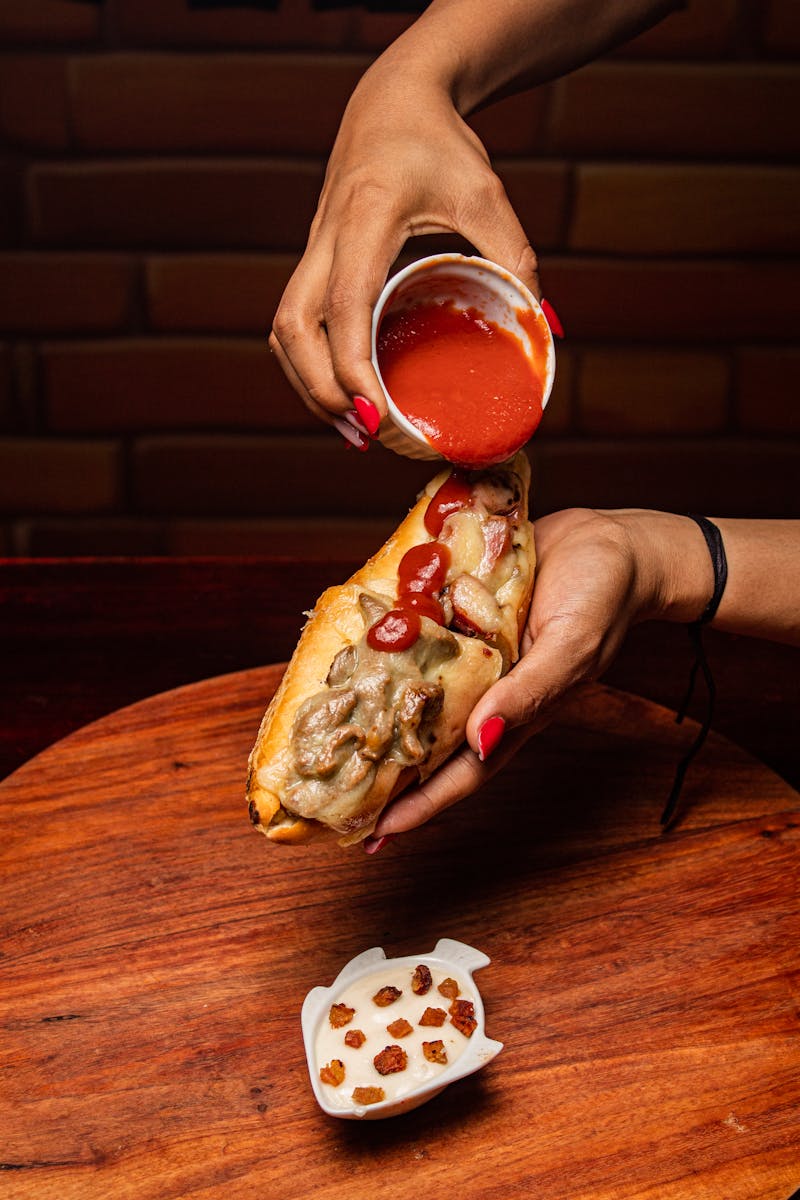
Street Food in Asia: An Unforgettable Taste Journey
There is something magical about the bustling streets of Asian cities at lunch or dinner time. The smells of grilled meats, spicy sauces and fresh herbs mingle in the warm, humid air, forming an olfactory symphony that attracts the traveler as powerfully as a magnet. Street food in Asia isn’t just a quick, budget-friendly option: it’s the beating heart of an entire continent’s culinary culture. From the steaming street floats of Bangkok to the century-old stalls of Tokyo, every bite tells a story of centuries-old traditions, constant innovation and a deep respect for ingredients.
In this article, we take you on a gastronomic journey through the most emblematic destinations of Asian street food. Prepare your taste buds, because this trip promises to be unforgettable.
Thailand: The Kingdom of Pad Thai and Explosive Flavors

It’s difficult to talk about Asian street food without mentioning Thailand. Bangkok is literally a foodie’s paradise, where every street, every alley conceals its share of culinary treasures. The famous Pad Thai is undoubtedly the best-known Thai dish: these wok-fried rice noodles, garnished with shrimp, tofu, eggs, bean sprouts and cashews, all seasoned with a perfect balance between sweet, sour and salty. But Thailand offers much more than this iconic dish.
The Som Tum, this green papaya salad pounded in a mortar, is an explosion of flavors and textures. With its fresh chili peppers, lime juice, fish sauce and roasted peanuts, each bite is a kick that awakens the taste buds. For meat lovers, Moo Ping — charcoal-grilled marinated pork skewers — is a must-have street snack, often served with sticky rice and hot sauce.
Don’t miss the Tom Yum Kung either, this hot and sour shrimp soup which is the very embodiment of Thai cuisine. Scented with lemongrass, galangal and kaffir lime leaves, it warms the body and soul. In Bangkok, the Yaowarat district (Chinatown) is a real culinary playground, with its stalls that come alive at nightfall. Further north, in Chiang Mai, Khao Soi — coconut curry noodles in their creamy broth — are a local specialty that is worth the detour in itself.
Tips for street eating in Thailand
Look for stalls frequented by locals, a guarantee of freshness and quality. Be wary of ice cubes of dubious origin in drinks — choose those that are cylindrical and have a hole in the center, as they are produced industrially and therefore safer. Finally, don’t forget to bring your own little bottle of water: the heat and spice will make you thirsty!
Vietnam: A Hint of Freshness with Pho and Spring Rolls
Vietnam, with its Chinese and French influences, offers street food of remarkable diversity and freshness. Pho is the national dish par excellence: a long-simmered beef or chicken broth, flavored with star anise, cinnamon and ginger, in which flat rice noodles and thin slices of meat swim. Served with a platter of fresh herbs — coriander, mint, Thai basil, bean sprouts and lime wedges — Pho is much more than a dish: it’s a complete sensory experience.
In Hanoi, the northern capital, the streets of the old quarter are lined with small stalls where locals, seated on tiny plastic stools, sip their bowl of steaming Pho from early in the morning. In the South, in Ho Chi Minh City (Saigon), Bánh Mì reigns supreme. This sandwich, a legacy of French colonization, is a wonderful culinary fusion: a crispy baguette topped with roast pork or chicken, pâté, marinated vegetables (carrots and daikon), fresh coriander, mayonnaise and hot sauce. Bánh Mì is one of the best sandwiches in the world, and its inexpensive price (less than a dollar) makes it the ideal traveler’s companion.
Bánh Xèo, these crispy turmeric pancakes stuffed with shrimp, bean sprouts and pork, are another street specialty not to be missed. They are eaten by cutting them into pieces, wrapped in a lettuce or rice leaf with fresh herbs, and dipped in a sweet and sour nước chấm sauce. For the ultimate experience, head to Bến Thành Market in Saigon or Dông Xuân Market in Hanoi.
Where to eat on the street in Vietnam
The best places are often the most modest. A small plastic stool, a coffee table and a steaming bowl: these are the signs of authenticity. Vietnamese breakfast is a ritual: a bowl of Pho or Bánh Mì accompanied by an iced filter coffee with condensed milk (cà phê sữa đá), and you are ready for the day.
Japan: The Art of Street Food Raised to the Rank of Tradition
In Japan, street food is a true institution, rooted in centuries of tradition. Tokyo, Osaka and Kyoto are full of stalls and stalls where quality and presentation are taken as seriously as in Michelin-starred restaurants. Takoyaki is one of the most popular specialties, especially in Osaka: these dumplings made from flour and egg, garnished with pieces of octopus, marinated ginger and green onion, cooked in hemispherical molds and brushed with takoyaki sauce, Japanese mayonnaise, seaweed aonori and dried bonito shavings that dance in the heat.
The Okonomiyaki, often described as a “Japanese pizza” or a “savory pancake”, is another must-have. In Osaka, the dough is mixed with cabbage, seafood and pork, then cooked on a griddle and topped with okonomiyaki sauce, mayonnaise and bonito flakes. In Hiroshima, it is prepared in successive layers, with fried noodles added to the filling.
Yakitori — chicken skewers grilled over charcoal binchōtan — are a true art in Japan. Every part of the chicken is used: the thigh (momo), the fillet (mune), the liver (rebā), the heart (hāto), and even the skin (kawa) and cartilage (nankotsu). Served with a sweet-salty tare sauce or simply salty (shio), these skewers go perfectly with a cold Japanese beer.
Finally, the Ramen deserves a special mention. Although it is often consumed in dedicated stalls, it is an integral part of Japanese street culture. Each region has its variation: Fukuoka tonkotsu (long-simmered pork bone broth), Tokyo shoyu (soy sauce-based broth), Sapporo miso (miso-flavored broth) or Hakodate shio (clear salted broth). A good bowl of ramen, with its al dente noodles, runny marinated egg and braised slice of pork (chashu), is an almost mystical experience.
Where to taste Japanese street food
The Dotonbori district of Osaka is the epicenter of Japanese street food. Its bright neon lights and monumental signs house dozens of takoyaki, okonomiyaki and other specialties stands. In Tokyo, the Tsukiji Outdoor Market (or Toyosu New Market) and the alleys of Ameyoko in Ueno are prime destinations for foodies.
Malaysia and Singapore: The Crucible of Cultures
Malaysia and Singapore reflect incredible cultural diversity, where Malay, Chinese and Indian traditions meet and merge to create street food of unparalleled richness. Nasi Lemak, Malaysia’s national dish, is rice cooked in coconut milk, served with sambal (chili paste), fried anchovies, peanuts, hard-boiled egg and slices of cucumber. Wrapped in a banana leaf, it’s the perfect breakfast to start the day.
In Singapore, the hawker centers are real institutions classified as UNESCO intangible cultural heritage. Hainanese Chicken Rice is the Singaporean national dish: poached or roasted chicken, exceptionally tender, served with rice cooked in chicken stock and accompanied by ginger sauce, chili sauce and dark soy sauce. Another iconic dish is Laksa, a spicy noodle soup made with coconut milk. The Singaporean version, Katong Laksa, is characterized by its rice noodles cut into pieces, which are eaten with a spoon.
In Malaysia, the city of Penang (George Town) is often considered the capital of Malaysian street food. The Char Kway Teow — flat rice noodles wok-fried with shrimp, Chinese sausage, bean sprouts, eggs and sambal — is a real delight. Roti Canai, a flaky pancake of Indian origin, served with dhal or curry, is a popular snack at any time.
Where to eat in Malaysia and Singapore
In Singapore, don’t miss the Maxwell Food Centre, the Lau Pa Sat and the Chinatown Complex Food Centre. In Penang, the Gurney Drive Hawker Center and the Chulia Street Night Market are must-see destinations. In Kuala Lumpur, Jalan Alor is an entire street dedicated to street food.
India: A Feast of Spices and Colors
Indian street food is arguably one of the most varied and vibrant in the world. Each region, each city, each neighborhood has its specialties, its secrets and its traditions. In Mumbai, Vada Pav is the king of street food: a spicy potato fritter, fried and served in a bun with green and sweet chutneys, accompanied by fried green chilies. Nicknamed the “poor man’s burger”, it is nevertheless a real delicacy that delights Mumbaikars from all walks of life.
The Pani Puri (or Gol Gappa in the North) is an experience in itself: these small hollow and crispy balls made from semolina or wheat flour, fried, then filled with a mixture of spicy potatoes, chickpeas and tamarind water, all topped off with water flavored with mint and chili. You eat them in just one bite, and the explosion of flavors that follows is simply indescribable.
In the North, in Delhi, Chole Bhature — a spicy chickpea curry served with puffy fried bread — is a breakfast for kings. Stuffed Paratha, especially in the Chandni Chowk district, is another specialty: a flatbread stuffed with potatoes, paneer cheese, radishes or cauliflower, cooked on a cast iron griddle and served with butter, yogurt and pickles.
In the South, in Chennai, the Dosa — a thin, crispy pancake made from fermented rice and lentils — is a must. Served with sambar (a lentil curry) and different chutneys (coconut, tomato, mint), it is eaten for breakfast, lunch and dinner. Idli, its soft, steamed cousin, is a lighter and equally delicious alternative.
South Korea: The Land of Kimchi and Street Barbecues
South Korea is an essential destination for street food lovers. Seoul, with its bustling markets and shopping streets, offers an impressive variety of street foods that reflect the creativity and vitality of Korean cuisine. Tteokbokki is the king of Seoul street food: cylindrical rice cakes cooked in a spicy and sweet gochujang (fermented chili paste) sauce, sometimes garnished with fish cakes, hard-boiled eggs and green onions. It is eaten in the pojangmacha (covered street stalls) which liven up the districts of Hongdae and Myeongdong.
Kimbap is the Korean equivalent of Japanese makis: vinegared rice wrapped in a sheet of dried seaweed, stuffed with marinated vegetables, omelette, meat or fish. It’s the ideal snack for a quick break, sold everywhere on the street for a few thousand won. Eomuk (skewered fish cake served in a hot broth) is particularly popular in winter to warm bodies and hearts.
In Seoul, the Gwangjang market is a true street food paradise. There you can find Mayak Kimbap (mini kimbap with kimchi and spinach), Bindaetteok (fried mung bean pancakes, crispy on the outside and tender on the inside), Gimbap of all kinds, and of course Tteokbokki. The Namdaemun market is another emblematic place, famous for its Galchi Jorim (braised silver fish) and Hotteok (pancakes filled with brown sugar and cinnamon, grilled on the griddle).
Don’t leave Korea without tasting Korean Fried Chicken. Unlike American fried chicken, the Korean version is double fried, giving it exceptional crispiness, then coated in a sweet-spicy gochujang sauce or soy-garlic sauce. Served with pickled radishes and a local beer (the famous chimaek), it’s one of the most comforting pleasures of Korean street food.
Philippines: The Feast of the Islands
The Philippines may be less known for its street food, but it still offers a fascinating street food scene, reflecting the cultural diversity of the archipelago. Lechon Manok (spit-roasted chicken) is sold everywhere on the streets, marinated in a mixture of spices and soy sauce before being slowly roasted over charcoal. Isaw (grilled chicken intestines on skewers), Adidas (grilled chicken feet) and Betamax (grilled chicken blood cubes) are street specialties appreciated by the most daring locals.
For more discerning palates, Lumpiang Shanghai (fried spring rolls with pork and vegetables) is a delicious and accessible snack. Halo-Halo is the quintessential Filipino street dessert: a refreshing blend of shaved ice, evaporated milk, candied fruit, sweet beans, coconut jelly and ube (purple yam) ice cream. It’s the ideal remedy for tropical heat.
In Manila, the Binondo district (Chinatown) and the Quiapo market are the best places to discover Filipino street food. The Mercato Centrale in Bonifacio Global City offers a more modern and sophisticated version of Filipino street food, with chefs who reinvent the classics. Balut (fertilized duck egg cooked and eaten in its shell) is one of the Philippines’ most famous and surprising delicacies — a real challenge for the more adventurous, but a must-see cultural experience for those who really want to delve into the local culture.
Myanmar: The Little-Known Flavors of Southeast Asia
Less known than its Thai and Vietnamese neighbors, Myanmar (formerly Burma) nevertheless has fascinating street food, influenced by Indian, Chinese and Thai traditions. Mohinga is the Burmese national dish: a rice noodle soup in a fish broth flavored with lemongrass, ginger and turmeric, garnished with hard-boiled eggs, chickpea fritters and fresh coriander. Considered the national breakfast, Mohinga is sold throughout the country by street vendors from the early hours of the day.
Shan Noodles are another must-have: flat rice noodles served with tomato-garlic sauce, pulled chicken or pork, roasted peanuts and cilantro. Tea Leaf Salad (Laphet Thoke) is a unique salad in Myanmar, prepared with fermented tea leaves, cabbage, tomatoes, peanuts, sesame seeds and crispy beans. It’s a complex and tasty dish that goes perfectly with meals.
In Yangon, the ancient capital, the Chinatown district and Bogyoke Aung San market are the best places to explore Burmese street food. Rangoon Tea House offers a modern and elegant take on Burmese street food, in a beautifully restored colonial setting.
Safety Tips for Street Food in Asia
Eating on the street in Asia is generally safe, especially if you follow some common sense rules. Here are our tips for fully enjoying the experience without risking digestive discomfort:
- Choose busy stalls: A stall that attracts a line of local customers is a good sign. The rapid rotation of ingredients guarantees their freshness.
- Observe cleanliness: Watch how the cook handles food, whether utensils are clean, and whether ingredients are stored properly.
- Eat cooked and hot: Foods cooked to order and served piping hot are generally safe. Avoid dishes that have been sitting at room temperature for hours.
- Peel your fruit: Fruits that you can peel yourself (mangoes, bananas, oranges) are safer than those that have been cut in advance.
- Drink from a bottle: Choose capped bottled water. Avoid ice cubes of dubious origin and drinks made with tap water.
- Bring your own chopsticks: In Japan and Korea, it is common to have your own reusable chopsticks, but a small portable cutlery kit can be useful anywhere.
- Listen to your stomach: Don’t force yourself to eat something you don’t feel confident eating. And don’t forget that your taste buds and your digestive system need time to adapt.
Conclusion: A Journey that Passes through the Plate
Street food in Asia is much more than just a way of eating: it is a gateway to the culture, history and soul of a people. Each dish, each bite is an invitation to travel, a lesson in good manners and a celebration of the senses. Whether you’re squatting on a tiny stool in Hanoi, standing at a takoyaki stand in Osaka or sitting at a table in a hawker center in Singapore, you’re participating in an ancient ritual that unites people around the table — or rather, around the street cart.
So, on your next trip to Asia, don’t be afraid to venture off the beaten track and off the touristy restaurants. Follow the smells, let curiosity guide you and trust the locals. You will discover flavors that you will never forget and experience authentic moments of sharing that will remain engraved in your memory long after the last crumbs have been swallowed. Have a good trip and enjoy your meal!
Article published on TravelStyleHub.com — Category: Cuisine (Gastronomy)
