
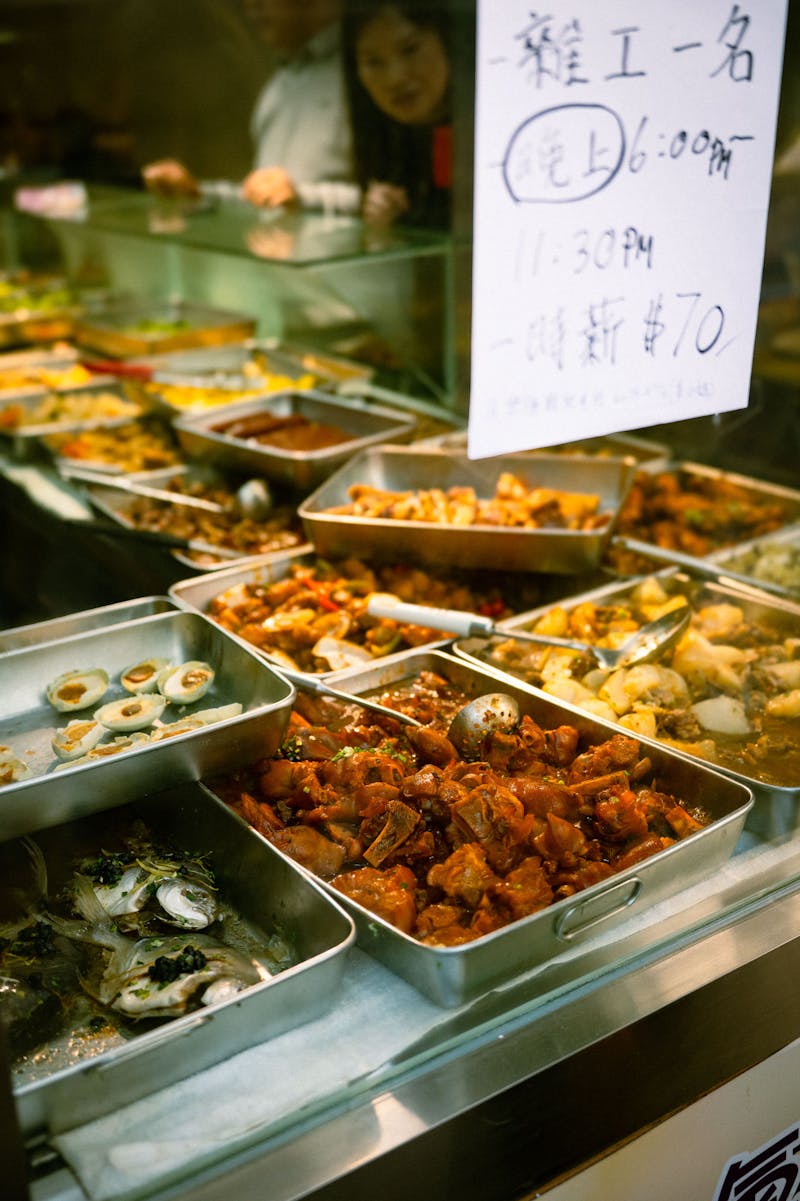
Les Meilleurs Cours de Cuisine pour Voyageurs
Il y a une manière de voyager qui va au-delà de la simple visite des monuments et des musées : c’est celle qui passe par les fourneaux. Prendre un cours de cuisine lors de ses voyages est devenu l’une des expériences les plus prisées des voyageurs en quête d’authenticité et de partage. Apprendre à préparer un plat traditionnel aux côtés d’un chef local, c’est bien plus qu’une simple leçon de cuisine : c’est une immersion dans la culture, une rencontre avec des passionnés, et la possibilité de ramener chez soi un morceau du pays visité, que l’on pourra reproduire et partager avec ses proches.
Dans cet article, nous avons sélectionné pour vous les meilleures destinations au monde pour prendre des cours de cuisine, de l’Italie à la Thaïlande, du Japon au Mexique en passant par la France. Chaque pays offre une expérience unique, adaptée à tous les niveaux et à tous les budgets.
Italie : La Dolce Vita dans l’Assiette
L’Italie est sans doute la destination la plus emblématique pour un cours de cuisine. La cuisine italienne, célèbre dans le monde entier, repose sur des techniques précises et un respect absolu des ingrédients. Prendre un cours de cuisine en Italie, c’est apprendre l’art de faire des pâtes fraîches, de préparer une véritable sauce tomate, de maîtriser la cuisson al dente, et de comprendre l’importance des produits de saison.
La Toscane est l’une des régions les plus prisées pour les cours de cuisine. Les agriturismi (fermes-auberges) proposent souvent des ateliers culinaires complets : on commence par la visite du marché local pour choisir les ingrédients, puis on passe aux fourneaux pour préparer un repas toscan complet, que l’on déguste ensuite en famille, arrosé d’un bon Chianti. Les cours incluent généralement la préparation de pâtes fraîches (pappardelle, tagliatelle, ravioli), de sauces (ragù, pesto), de plats traditionnels (ribollita, saltimbocca) et de desserts (tiramisù, panna cotta).
À Bologne, la capitale gastronomique de l’Italie, des écoles comme Cook Italy ou Bologna Cooking School proposent des cours intensifs où l’on apprend les secrets de la véritable cuisine émilienne : les tortellini faits à la main, la sauce bolognaise authentique, la lasagne verte. Les cours incluent souvent une visite du Quadrilatero, le marché historique de Bologne.
À Naples, on peut apprendre l’art de la pizza napolitaine dans des écoles spécialisées comme la Pizza School Napoli ou La Martuccia. On y apprend à pétrir la pâte, à l’étaler à la main (jamais au rouleau !), à la garnir avec des produits de qualité (San Marzano, mozzarella di bufala, basilic frais) et à la cuire dans un four à bois. Une expérience qui change à jamais la façon dont on regarde une pizza.
Notre recommandation
Pour une expérience complète, choisissez un cours qui inclut la visite d’un marché local. L’école In Tavola à Florence propose des cours dans une cuisine professionnelle avec des chefs expérimentés. Comptez entre 80 et 150 euros par personne pour un cours de 3 à 5 heures, déjeuner compris.
Thaïlande : L’Explosion des Saveurs Thaïes
La Thaïlande est une autre destination de rêve pour les amateurs de cours de cuisine. La cuisine thaïlandaise, avec ses équilibres subtils entre le sucré, l’acide, le salé et l’épicé, peut sembler complexe, mais elle devient accessible lorsqu’on est guidé par un chef local. Les cours de cuisine thaïe sont extrêmement populaires, et on en trouve dans tout le pays, de Bangkok à Chiang Mai en passant par les îles du Sud.
Chiang Mai, dans le nord de la Thaïlande, est la destination la plus réputée pour les cours de cuisine. De nombreuses écoles, souvent tenues par des familles locales, proposent des cours d’une demi-journée ou d’une journée complète. Le programme typique commence par la visite d’un marché local, où l’on découvre les ingrédients essentiels de la cuisine thaïe : la citronnelle, le galanga, les feuilles de combava, la sauce poisson, la pâte de crevettes, les piments, le basilic thaï, la coriandre.
On apprend ensuite à préparer plusieurs plats, généralement au choix parmi une sélection de classiques : le Pad Thaï (nouilles sautées), le Tom Yum Kung (soupe aigre-piquante aux crevettes), le Green Curry (curry vert au lait de coco), le Som Tum (salade de papaye verte), le Mango Sticky Rice (riz gluant à la mangue). Les cours sont très pratiques : on cuisine sur des postes de travail individuels, avec ses propres ingrédients, sous la supervision du chef.
Des écoles comme Pantawan Cooking School ou Thai Farm Cooking School à Chiang Mai sont réputées pour la qualité de leurs cours. Certaines proposent même des cours dans un cadre idyllique, au milieu d’une rizière ou dans un jardin tropical.
Notre recommandation
Optez pour un cours d’une journée complète dans une école qui inclut la visite du marché. La Thai Farm Cooking School à Chiang Mai propose des cours dans une ferme biologique, avec des ingrédients cultivés sur place. Comptez entre 800 et 1 500 bahts thaïlandais (environ 20 à 40 euros) par personne pour un cours d’une demi-journée.
Japon : L’Art de la Précision et de l’Élégance
La cuisine japonaise est un art qui exige précision, discipline et respect des traditions. Prendre un cours de cuisine au Japon, c’est apprendre bien plus que des recettes : c’est s’initier à une philosophie culinaire où la beauté du plat, la fraîcheur des ingrédients et l’équilibre des saveurs sont sacrés. Les cours de cuisine japonaise sont particulièrement populaires à Tokyo, Kyoto et Osaka.
À Kyoto, on peut s’initier à la cuisine kaiseki, l’art culinaire le plus raffiné du Japon, ou à la cuisine shojin ryori, la cuisine végétarienne bouddhiste. Des écoles comme Kyoto Cooking Class ou Cookin’ Kyoto proposent des cours où l’on apprend à préparer des plats traditionnels comme le miso soup, le tempura, les gyoza (raviolis japonais), le teriyaki et les onigiri (boulettes de riz).
À Tokyo, les cours de cuisine sont très variés. On peut apprendre à préparer des sushis avec un chef professionnel (comme à la Sushi School Tokyo), maîtriser l’art du ramen (au Ramen Factory), ou découvrir les secrets de la cuisine japonaise maison dans une école comme Tokyo Cooking Studio. Les cours incluent souvent une visite du marché extérieur de Tsukiji ou du marché de Toyosu.
À Osaka, la capitale de la street food japonaise, on peut apprendre à préparer le takoyaki (boulettes au poulpe) et l’okonomiyaki (crêpe japonaise salée) dans des écoles dédiées. Ces cours sont particulièrement amusants et interactifs.
Notre recommandation
Pour une expérience authentique à Kyoto, choisissez un cours chez l’habitant. Des plateformes comme Airbnb Experiences ou Cookly proposent des cours dans des maisons japonaises traditionnelles, où vous cuisinerez aux côtés d’une grand-mère japonaise qui vous transmettra son savoir-faire familial. Comptez entre 5 000 et 12 000 yens (environ 30 à 75 euros) par personne.
France : L’Excellence de la Gastronomie Française
La France est un passage obligé pour tout amateur de gastronomie. Les cours de cuisine française sont réputés dans le monde entier, et ils attirent des voyageurs de tous horizons. Paris, Lyon et la Provence sont les destinations les plus prisées pour apprendre les secrets de la cuisine française.
À Paris, l’École de Cuisine La Varenne, fondée en 1975, est l’une des institutions les plus respectées. Elle propose des cours pour tous les niveaux, de l’initiation aux techniques de base (la mayonnaise, la sauce béchamel, le fond de volaille) aux cours avancés sur la pâtisserie classique française. L’Atelier des Chefs propose quant à lui des cours pratiques et accessibles, avec des séances d’une heure pour apprendre à réaliser un plat complet.
Le Ferrandi, célèbre école de cuisine parisienne, propose des ateliers pour amateurs. On peut y apprendre les techniques de la grande cuisine française dans un cadre professionnel, avec des chefs qui enseignent aux côtés des futurs professionnels de la gastronomie. Les cours de pâtisserie sont particulièrement réputés : croissants, macarons, éclairs au chocolat, tarte Tatin, opéra.
Lyon, la capitale de la gastronomie française, est une destination incontournable pour les cours de cuisine. L’Institut Paul Bocuse, fondé par le célèbre chef lyonnais, propose des ateliers culinaires pour le grand public. On peut y apprendre les classiques de la cuisine lyonnaise : la salade lyonnaise, les quenelles de brochet, le tablier de sapeur, la tarte à la praline rose. La Mère Brazier, la célèbre bouchon lyonnais, propose également des cours de cuisine.
En Provence, on peut apprendre les recettes ensoleillées de la cuisine méditerranéenne. Des écoles comme Cook’n with Class à Saint-Rémy-de-Provence proposent des cours dans un cadre idyllique, avec des ingrédients frais du marché local. On y apprend à préparer la ratatouille, la bouillabaisse, le pistou, la tapenade, la tarte aux figues et au miel. Les cours incluent souvent une visite des marchés provençaux, où l’on découvre les produits du terroir.
Notre recommandation
Pour une expérience inoubliable, combinez un cours de cuisine avec une visite des marchés locaux. À Paris, l’Atelier des Chefs propose des cours à partir de 30 euros pour une séance d’une heure. Pour une expérience plus immersive, l’Institut Paul Bocuse à Lyon propose des stages de plusieurs jours à partir de 250 euros.
Mexique : Les Couleurs et les Saveurs du Soleil
La cuisine mexicaine, classée au patrimoine culturel immatériel de l’UNESCO, est l’une des plus riches et des plus diverses du monde. Prendre un cours de cuisine au Mexique, c’est plonger dans un univers de couleurs, de piments et de traditions ancestrales. Les meilleures destinations pour les cours de cuisine mexicaine sont Mexico, Oaxaca, Puebla et le Yucatán.
Oaxaca est la capitale gastronomique du Mexique, réputée pour ses sept moles (sauces complexes à base de piments, d’épices, de chocolat et de fruits secs), ses chapulines (sauterelles grillées), son mezcal et son chocolat. Des écoles comme Oaxaca Cooking School ou Seasons of My Heart, fondée par la chef Susana Trilling, proposent des cours immersifs où l’on apprend à préparer le mole negro, les tamales oaxaqueños, les tlayudas (grandes tortillas grillées) et le chocolat chaud à l’ancienne.
À Mexico, l’école Mexican Cooking by Bricela propose des cours où l’on découvre la diversité de la cuisine mexicaine : les tacos de pastor, les chiles en nogada, le pozole, les quesadillas de flor de calabaza. Les cours incluent une visite du marché de la Merced ou de San Juan, où l’on découvre une incroyable variété de piments, de fruits exotiques et d’épices.
Dans le Yucatán, la cuisine est très différente du reste du Mexique, avec des influences mayas et caribéennes. On y apprend à préparer la cochinita pibil (porc mariné à l’achiote et cuit dans des feuilles de bananier), les panuchos (tortillas farcies de haricots noirs), les salbutes (tortillas frites garnies) et la sopa de lima (soupe au citron vert). L’école Los Dos Cooking School à Mérida est particulièrement réputée.
Notre recommandation
Oaxaca est la destination de rêve pour les amateurs de cuisine mexicaine. Choisissez un cours qui inclut la visite du marché de Benito Juárez et la dégustation de mezcal. Comptez entre 800 et 1 500 pesos mexicains (environ 40 à 75 euros) par personne pour un cours avec déjeuner.
Inde : Les Épices et les Couleurs du Sous-Continent
La cuisine indienne, avec sa palette infinie d’épices et ses techniques variées, est une autre destination de choix pour les cours de cuisine. Les meilleures villes pour apprendre la cuisine indienne sont Jaipur, Delhi, Mumbai, Kochi et Chennai.
À Jaipur, l’école Spice Kitchen Cooking Class propose des cours dans une maison familiale traditionnelle. On y apprend à préparer un thali végétarien complet, avec plusieurs currys, du dal, du riz, des chapati et des chutneys. Les cours incluent une explication détaillée des épices et de leurs propriétés médicinales selon l’Ayurveda.
À Kochi, dans le Kerala, on peut apprendre la cuisine du Sud de l’Inde, à base de noix de coco, de curry leaves et de fruits de mer. L’école Kerala Cooking Class propose des cours dans une maison traditionnelle kéralaise, avec des ingrédients frais du jardin. On y apprend à préparer le fish curry, l’appam (crêpes de riz), le puttu (gâteau de riz cuit à la vapeur) et le sambar.
À Delhi, des cours de cuisine de rue sont organisés dans le quartier animé de Chandni Chowk. On y apprend à préparer le chole bhature, l’aloo tikki, le paratha farci et les kulfis (glaces indiennes). Une expérience aussi éducative que savoureuse.
Maroc : Les Arômes de la Médina
Le Maroc est une destination de rêve pour les amateurs de cours de cuisine. La cuisine marocaine, avec ses épices parfumées, ses tajines mijotés et ses pâtisseries délicates, fascine les voyageurs du monde entier. Les cours de cuisine au Maroc se déroulent souvent dans des riads (maisons traditionnelles avec patio) au cœur des médinas, offrant un cadre enchanteur et une immersion totale dans la culture marocaine.
À Marrakech, l’école La Maison Arabe est une institution. Fondée dans les années 1940, elle propose des cours de cuisine marocaine dans un cadre magnifique, avec une cuisine professionnelle équipée de tajines en terre cuite et de fours à pain traditionnels. On y apprend à préparer le tajine de poulet au citron confit et aux olives, le couscous aux sept légumes, les pastillas sucrées-salées, et les pâtisseries marocaines (corne de gazelle, chebakia, ghriba). Les cours incluent une visite du marché de la place Jemaa el-Fna, où l’on découvre les épices, les herbes et les produits du terroir marocain.
À Fès, la capitale spirituelle et culinaire du Maroc, les cours de cuisine sont particulièrement authentiques. L’école Fès Cooking propose des cours dans une médina classée au patrimoine mondial de l’UNESCO, avec des chefs locaux qui transmettent un savoir-faire ancestral. On y apprend les secrets de la cuisine fassie, réputée pour être la plus raffinée du Maroc : les pastillas au pigeon, les tajines aux pruneaux et aux amandes, les rfissa (pain déchiqueté au poulet et aux lentilles), et les msemen (crêpes feuilletées).
À Essaouira, les cours de cuisine mettent l’accent sur les produits de la mer. On apprend à préparer les poissons grillés à la chermoula (marinade marocaine aux herbes et aux épices), les tagines de poisson, et les salades marocaines (zaalouk d’aubergine, taktouka de poivrons). Les cours incluent souvent une visite du port de pêche, où l’on choisit le poisson directement auprès des pêcheurs.
Les cours de cuisine au Maroc sont généralement d’un excellent rapport qualité-prix. Comptez entre 300 et 600 dirhams marocains (environ 30 à 55 euros) par personne pour un cours d’une demi-journée avec déjeuner. L’expérience inclut souvent la dégustation des plats préparés dans le cadre magnifique du riad, accompagnée d’un thé à la menthe et de pâtisseries marocaines.
Espagne : Les Secrets de la Cuisine Espagnole
L’Espagne est une destination passionnante pour les cours de cuisine. Sa cuisine, vibrante et généreuse, offre une grande diversité régionale qui se prête merveilleusement à l’apprentissage. Les meilleures destinations pour les cours de cuisine en Espagne sont Barcelone, San Sébastien, Madrid et Valence.
À Barcelone, l’école Barcelona Cooking propose des cours dans un magnifique loft du quartier de l’Eixample, avec une vue imprenable sur la Sagrada Familia. On y apprend à préparer les classiques de la cuisine catalane : la paella aux fruits de mer, les tapas (patatas bravas, gambas al ajillo, tortilla española), la crème catalane et le célèbre pan con tomate. Les cours incluent une visite du marché de la Boqueria pour choisir les ingrédients.
À San Sébastien, la capitale de la gastronomie basque, les cours de pintxos sont particulièrement populaires. On apprend l’art de composer ces petites bouchées sophistiquées, véritables œuvres d’art culinaire. L’école Mimo San Sebastián propose des cours avec des chefs locaux, où l’on découvre les produits de la mer du golfe de Gascogne, le célèbre bacalao al pil pil (morue à l’ail et à l’huile d’olive) et les txuletas (côtes de bœuf grillées). Les pintxos sont accompagnés de txakoli, un vin blanc légèrement pétillant typique du Pays basque.
À Valence, on peut prendre des cours de paella avec des chefs locaux. L’école Paella Class propose des cours dans un cadre idyllique, au milieu des rizières de l’Albufera. On y apprend les secrets de la véritable paella valencienne : le choix du riz, la préparation du sofrito, l’utilisation du safran, et la cuisson au feu de bois dans une large poêle. Une expérience authentique et savoureuse. Comptez entre 60 et 100 euros par personne pour un cours avec déjeuner et vins inclus.
Thaïlande : L’Explosion des Saveurs Thaïes (suite)
Pour compléter notre exploration de la Thaïlande, il faut mentionner les cours de cuisine à Bangkok et dans les îles du Sud. À Bangkok, l’école Baipai Thai Cooking School propose des cours dans une maison traditionnelle thaïlandaise, entourée d’un jardin tropical où poussent les herbes et les épices utilisées dans les recettes. Les cours sont très structurés, avec des explications claires sur les techniques et les ingrédients. On y apprend à équilibrer les saveurs thaïlandaises (sucré, acide, salé, épicé) pour créer des plats harmonieux.
À Koh Samui et à Phuket, les cours de cuisine sont souvent combinés avec des activités balnéaires. L’école Samui Thai Cooking School propose des cours dans une ferme biologique, avec des ingrédients cultivés sur place. Les cours du soir, qui permettent de cuisiner au coucher du soleil, sont particulièrement romantiques.
Comment Choisir Son Cours de Cuisine à l’Étranger
Avec l’abondance d’offres de cours de cuisine pour voyageurs, il peut être difficile de s’y retrouver. Voici quelques critères à prendre en compte pour choisir le cours qui vous correspond :
- Le nombre de participants : Privilégiez les cours en petits groupes (maximum 8 à 10 personnes) pour bénéficier d’un encadrement personnalisé.
- La visite du marché : Un bon cours de cuisine inclut généralement une visite du marché local. C’est une partie essentielle de l’expérience, qui permet de comprendre les ingrédients et leur saisonnalité.
- Le cadre : Préférez les cours qui se déroulent dans un cadre authentique : maison familiale, ferme, jardin, ou école de cuisine traditionnelle.
- Les recettes : Vérifiez le nombre et le type de recettes proposées. Un bon cours devrait vous apprendre à préparer au moins 3 à 4 plats.
- Le repas : La plupart des cours incluent la dégustation des plats préparés. C’est le moment de partager un repas convivial avec les autres participants.
- Les supports : Assurez-vous de repartir avec les recettes écrites, pour pouvoir reproduire les plats chez vous.
- Les avis : Consultez les avis sur des plateformes comme TripAdvisor, Cookly ou Airbnb Experiences avant de réserver.
Conclusion : Ramener le Voyage dans sa Cuisine
Prendre un cours de cuisine en voyage est bien plus qu’une simple activité touristique. C’est un investissement dans des souvenirs qui dureront toute une vie, des compétences qui enrichiront votre quotidien, et des rencontres qui vous marqueront profondément. Chaque cours est une fenêtre ouverte sur la culture du pays visité, une leçon d’histoire et de tradition dispensée autour d’une table de cuisine.
Lorsque vous rentrerez chez vous et que vous reproduirez les recettes apprises, vous ne ferez pas que cuisiner : vous voyagerez à nouveau, à travers les odeurs et les saveurs, revivant les moments partagés avec les chefs et les autres participants. Vous aurez ramené dans vos bagages bien plus que des souvenirs : un véritable morceau de la culture culinaire du pays visité.
Alors, lors de votre prochain voyage, réservez un cours de cuisine. Que ce soit pour apprendre les pâtes fraîches en Italie, le curry vert en Thaïlande, les sushis au Japon ou le mole au Mexique, vous vivrez une expérience authentique et inoubliable. Bon appétit et bon voyage !
Article publié sur TravelStyleHub.com — Catégorie : Cuisine (Gastronomie)
