
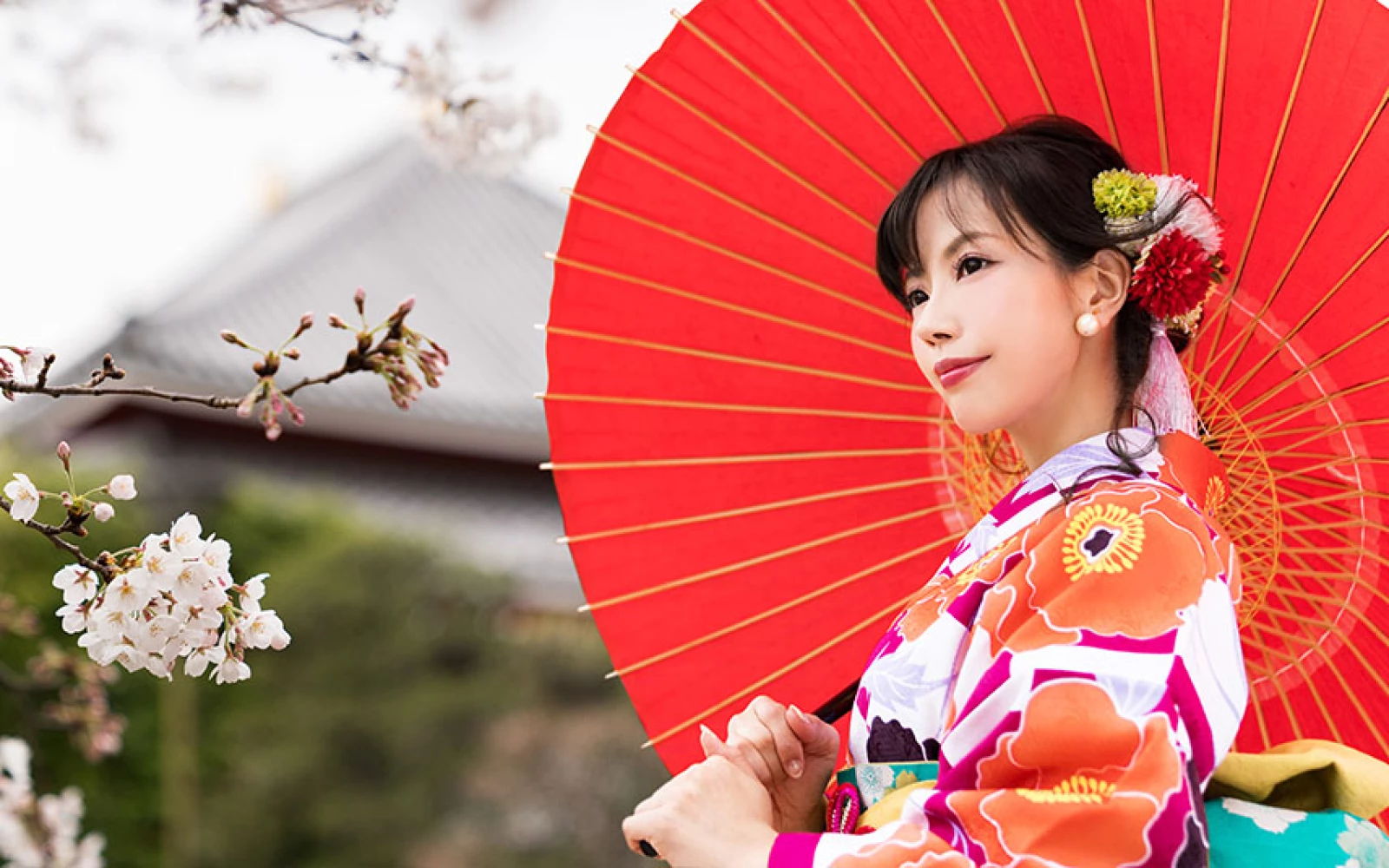
Japanese fashion, rich with a centuries-old history ranging from the traditional kimono to Tokyo’s urban style, is famous for its beauty and uniqueness. How has this fashion evolved over time, and what clothing do Japanese people typically wear today?
Traditional Japanese Clothing — Wafuku
Traditional Japanese clothing, or wafuku, often consists of elaborate robes called kimonos, worn with a belt called an obi and sandals such as zōri or geta. The kimono, famous for its multi-layered cut and wide sleeves, is the most iconic traditional garment of Japan. It emerged during the Heian period (794-1193 AD) and remained the main attire for men and women for nearly 1,000 years.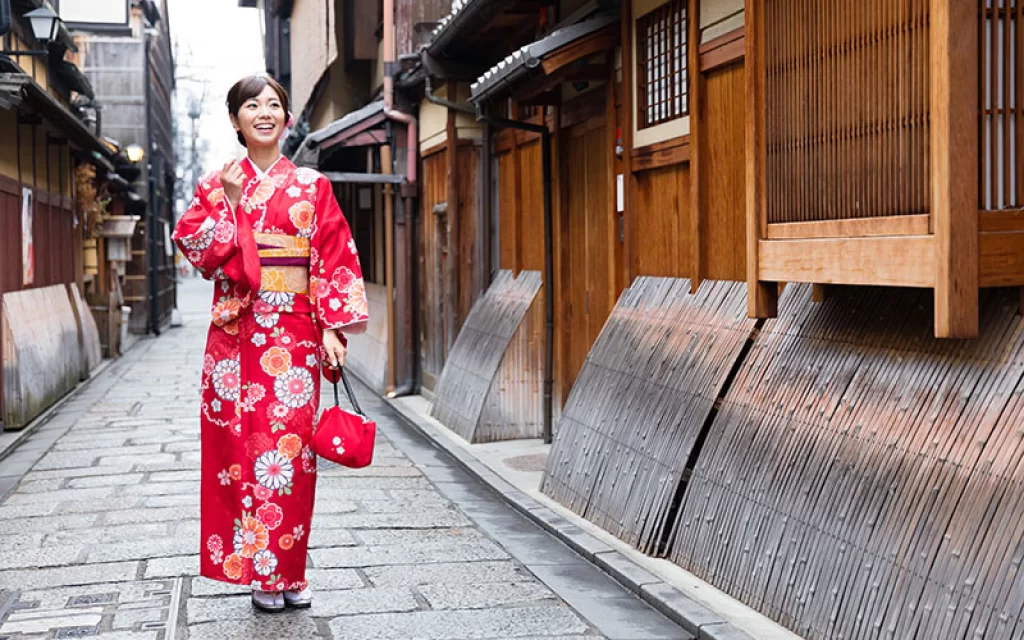
Difference Between Kimono and Yukata
The yukata is a casual version of the kimono, often made of lightweight cotton or polyester, ideal for warm climates with bright colors. Less formal and less expensive than the kimono, it is worn on less solemn occasions.
The Hakama and the Obi
The hakama, wide trousers worn over the kimono for formal events, and the obi, an ornate belt tied at the back, often complete the traditional outfit. The art of tying the obi is a practice passed down from generation to generation.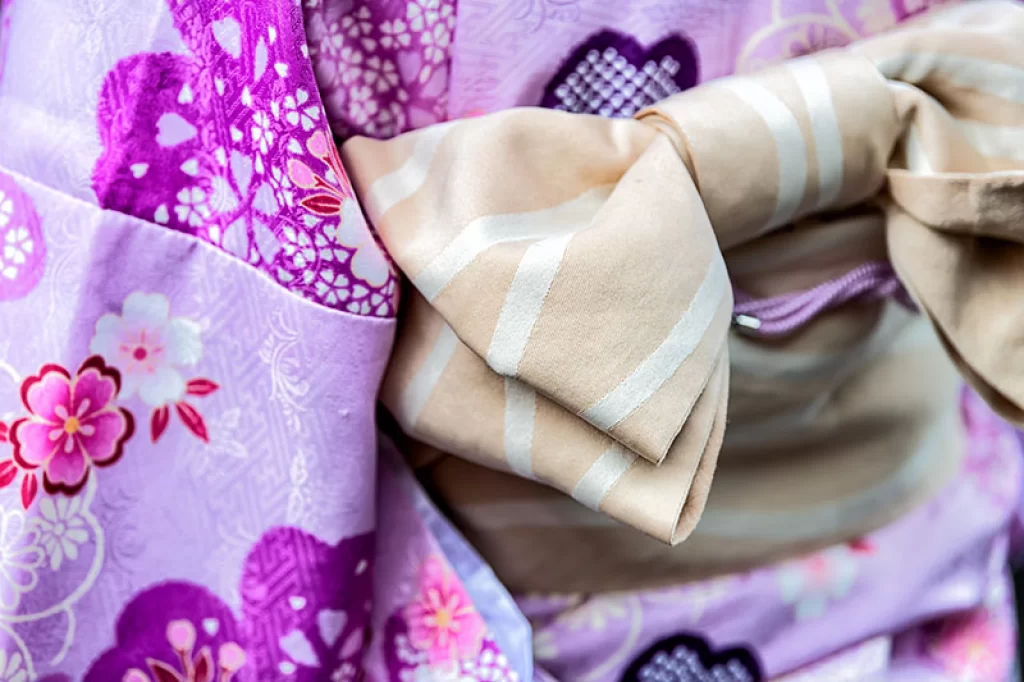
Traditional Footwear — Zōri and Geta
Zōri, sandals similar to modern flip-flops, and geta, raised wooden sandals, are often worn with kimonos and yukatas. Tabi, split-toe socks, complete these traditional shoes.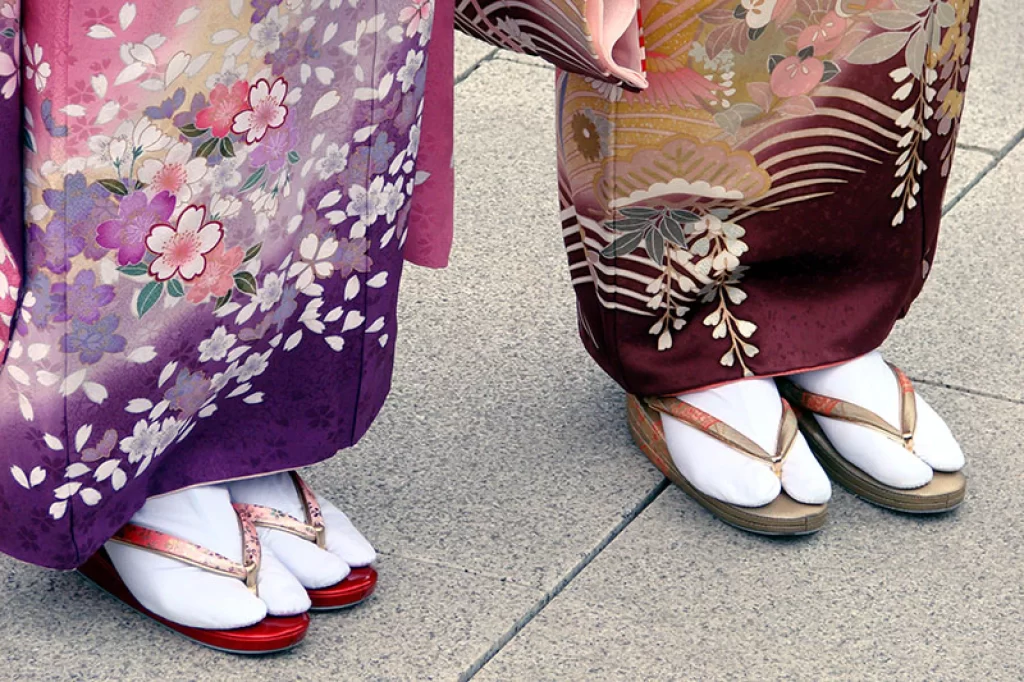
Western Fashion in Japan — Yōfuku
Starting in the 1850s, Western fashion, or yōfuku, gradually gained popularity in Japan, first in business circles and then more widely after World War II. Contemporary Japanese style developed in the 1980s and 1990s with the rise of “Japanese street style,” known for its bold silhouettes and its blend of vintage and modern design.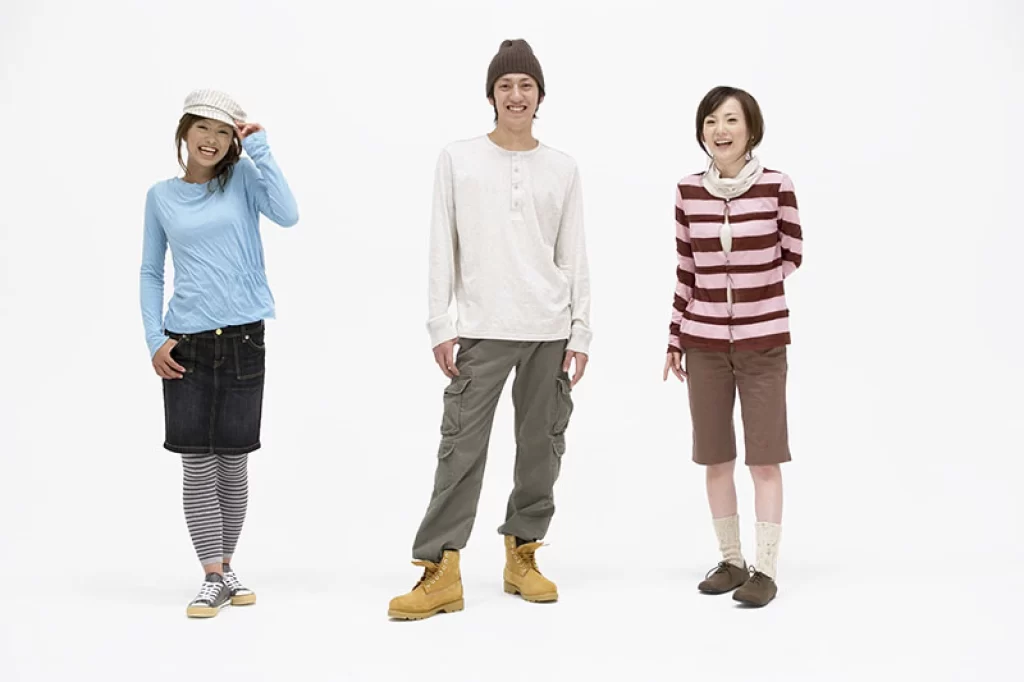
Japanese Street Style
Japanese street style stands out for its creativity and boldness, favoring loose-fitting clothing in soft colors and accessories such as stylish sneakers and fanny packs. Neighborhoods like Harajuku are famous for their bright and colorful styles, often blending Western and traditional Japanese clothing.
Alternative Trends
Beyond mainstream fashion, Japan is also known for its alternative styles such as Harajuku, characterized by its bright colors and bold designs, and Lolita, which emphasizes a childlike and “cute” aesthetic. Kogal, inspired by Japanese school uniforms, is another example of popular alternative fashion.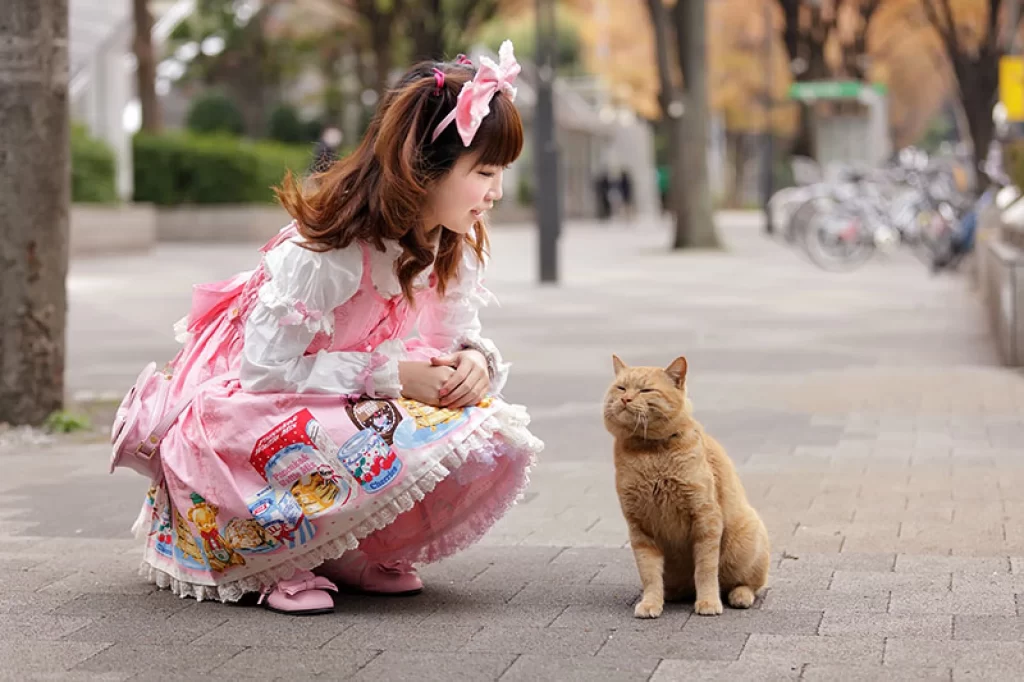
In summary, Japanese fashion, whether traditional or contemporary, continues to evolve while maintaining its distinctive elements and global influence. This unique fusion of tradition and innovation makes Japanese fashion a fascinating and dynamic field to explore.
